
Public housing authorities have a fundamental responsibility to provide safe, stable, and affordable housing. But once a family has a place to call home, what comes next?
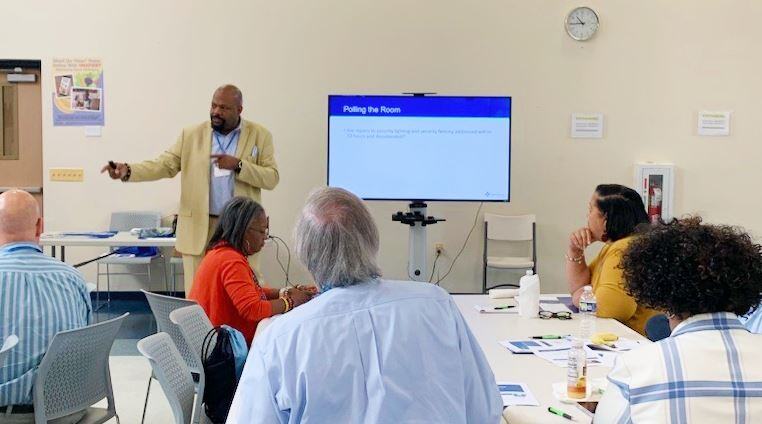
That question was at the center of a presentation run by John Hamilton and Lisa Cretella of the New Britain Housing Authority (Connecticut) during the 2026 CONN NAHRO Convention.
Rather than focusing on the number of programs a housing organization should offer, the two explored what it means to build an organization in which resident success influences programs, partnerships, policies, and everyday interactions.
“If stable housing is the foundation, what are we helping people build on top of it?” Hamilton, NBHA’s executive director, asked.
For NBHA, being more than a landlord means recognizing that housing can provide a foundation for employment, education, financial stability, homeownership, community involvement, and other opportunities. It also means making resident-centered service the responsibility of the entire organization.
Building a resident-centered culture
 Since joining NBHA less than four years ago, Cretella, director of community affairs & programs at New Britain, has worked to strengthen a culture that keeps residents at the center of the organization’s work.
Housing organizations must collect rent, maintain properties, comply with regulations, and perform many other operational responsibilities. However, Cretella believes those responsibilities can still be approached through a resident-centered lens.
“You don’t have to be in resident services to be resident-centered,” Cretella said.
That principle applies to how dispatch responds when a resident reports having no water, how a property manager explains a rent calculation, and how maintenance employees communicate during a service call. Each interaction can influence a resident’s trust in the organization.
It also requires employees to avoid assumptions about the people they serve. Residents may enter public housing because of circumstances that staff members cannot see or personally relate to. Their housing status does not define their goals, abilities, or potential.
“Living in public housing does not tell us everything about a person’s ambition, discipline, trauma, ability, choices, or potential,” Hamilton said. “They are more than where they are located.”
Understanding what residents need
Housing professionals regularly encounter residents who miss appointments, struggle to provide documentation, fall behind on rent, or decline programs intended to help them. It can be easy to interpret those actions as disinterest or a lack of motivation.
Hamilton and Cretella encouraged housing professionals to look more closely. Residents may be navigating childcare challenges, transportation barriers, disabilities, changing work schedules, mental health concerns, or benefit cliffs that make earning additional income appear financially risky. Trauma or cognitive challenges may also affect a person’s ability to retain information or complete a multistep process.
“Sometimes we have to police our own reaction and say, ‘What’s behind that?’” Cretella said.
This perspective does not mean eliminating expectations or completing every task on a resident’s behalf. Instead, Hamilton said meaningful assistance should help residents build skills, establish connections, understand consequences, and develop processes they can use again.
His advice to housing professionals was simple: “Diagnose before judging.”
Letting data and resident experience guide programming
 That same principle guides NBHA's evaluation of its community programs.
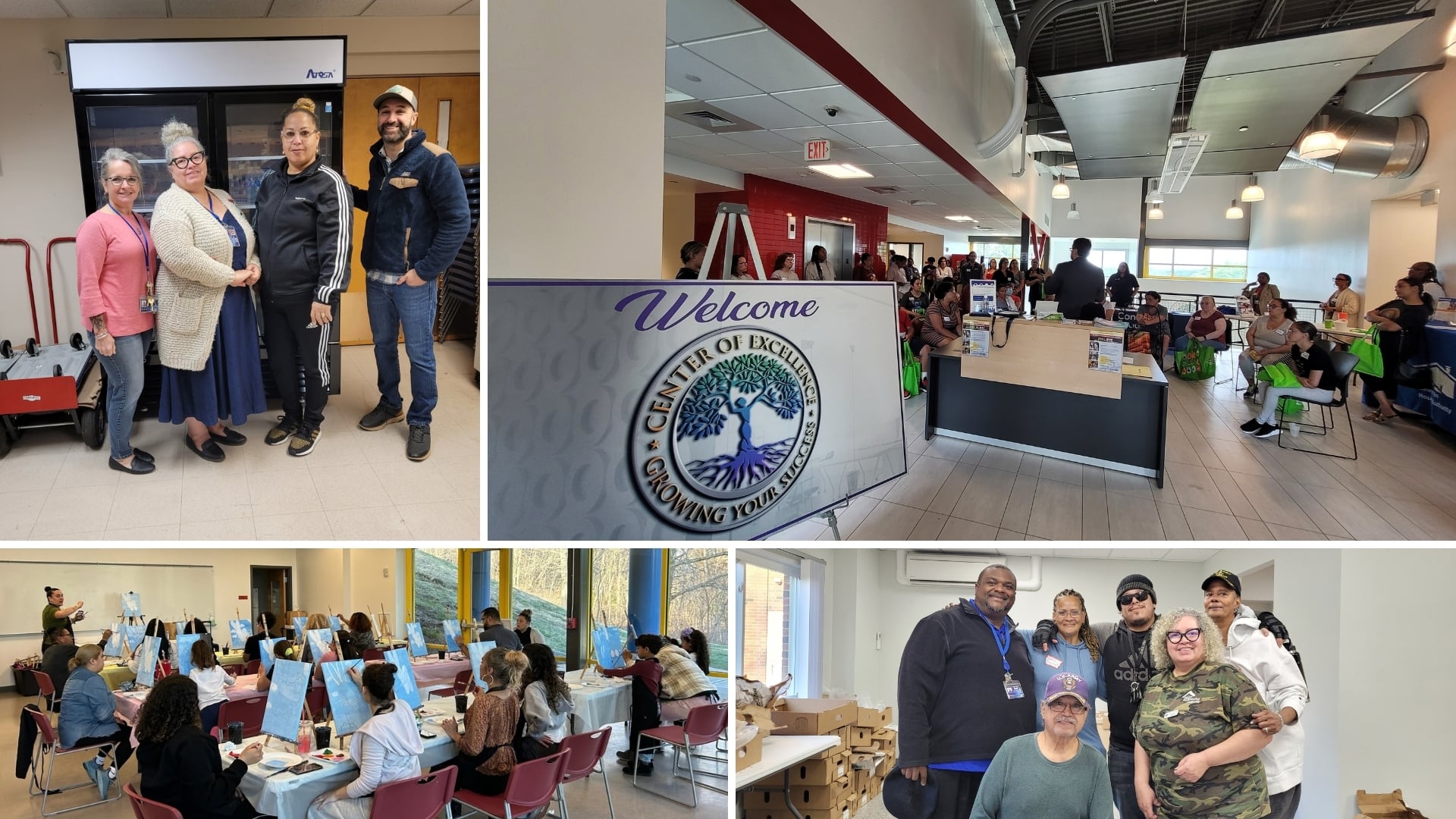
New Britain offers or promotes financial fitness workshops, tenancy classes, first-time homebuyer education, health programs, and information sessions connected to its Family Self-Sufficiency and Resident Opportunities and Self-Sufficiency programs. Like many housing organizations, however, NBHA has experienced instances in which an event that generated interest during planning attracted only a few participants.
Rather than assuming residents do not care, NBHA began collecting more information.
For approximately the past year and a half, staff members have used a spreadsheet to track each activity’s intended audience, day, time, location, presenter, marketing methods, attendance, and even the weather. The process is relatively simple, but it has helped NBHA identify useful patterns.
NBHA has learned that rain can significantly affect attendance. Saturdays during the fall can conflict with recreational programs and back-to-school activities, while Friday evenings may work well for families at certain developments. Staff also increased participation in some information sessions by offering them virtually.
Program names, locations, and formats matter, too. A health-focused workshop may not initially resonate with residents balancing more immediate needs. The same service can also attract different levels of participation depending on where it is offered.
“There’s really no one-size-fits-all,” Cretella said. “We started collecting data and letting the data tell us what we are doing right or wrong.”
When possible, staff members also follow up with residents who expressed interest but did not attend. The reason may be a late work shift, transportation problem, family obligation, or simply getting home and deciding not to go back out. Each response provides information that can improve future programs.
Measuring outcomes, not just attendance
Attendance is easy to measure, but it does not necessarily determine whether a program succeeded.
Hamilton encouraged housing organizations to stop asking only whether residents participated and begin asking what changed because of the program. A workshop attended by four residents may appear unsuccessful when measured solely by turnout. But if those four people create their first household budget or improve their credit, the program has produced a meaningful result.
“Sometimes a successful event is four people,” Cretella said. “They were only four people, but you moved the needle.”
Residents are also not always ready for the same opportunities at the same time. Motivation can change, and a crisis at home may take priority over a class or workshop. Resident-centered programming recognizes that reality without giving up on the person.
Building partnerships that last
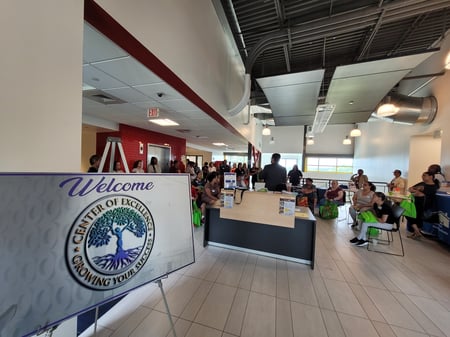 Partnerships help housing organizations expand opportunities without having to provide every program internally. Banks, credit unions, utility companies, health care organizations, workforce development agencies, schools, and community nonprofits may already have resources that can benefit residents.
However, Cretella emphasized that housing organizations must invest in those relationships throughout the year, rather than contacting an organization only when a grant application requires a letter of support.
“To have good partnerships, you have to be a good partner,” Cretella said. “You have to show up. You have to be engaged in the community. You have to be transparent.”
Strong partnerships should benefit everyone involved. A housing organization may bring residents, community insight, or useful data to the table, while a partner contributes services, funding, or specialized knowledge. Both sides must also be willing to have honest conversations about scheduling, expectations, and what is not working.
Making resident success everyone’s responsibility
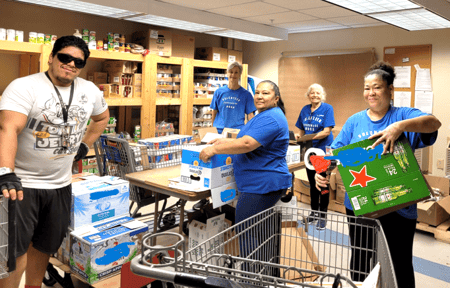 Programs and partnerships operate within an organization’s larger culture. Even a strong resident services department may struggle to build trust if residents receive an entirely different message from other parts of the organization.
Hamilton compared organizational leadership to the difference between a thermometer and a thermostat. A thermometer reports the environment; a thermostat influences it. Leaders, supervisors, and employees all have opportunities to influence how their organizations speak about and respond to residents.
“Every department owns resident success,” Hamilton said. “This doesn’t mean that every employee becomes a social worker…but every employee contributes to the culture.”
That culture must also be sustainable for employees. Resident-centered service does not require staff members to ignore burnout or absorb every challenge without support. Employees need training, resources, clear boundaries, and opportunities to acknowledge that housing work can be emotionally exhausting.
For housing organizations looking to strengthen their own approach, NBHA’s experience offers several practical starting points:
- Define what resident-centered service looks like across every department.
- Examine the barriers behind a resident’s actions before making assumptions.
- Give residents opportunities to suggest, shape, and lead activities.
- Track timing, location, format, outreach methods, attendance, and feedback.
- Measure what changed, not simply how many people attended.
- Maintain community partnerships throughout the year.
- Give employees the support and tools they need to serve residents effectively.
- Treat disappointing participation as information rather than a reason to stop trying.
Cretella illustrated the importance of this work by sharing the story of an NBHA resident who entered New Britain High School late in his high school career. He became the class valedictorian and earned a full scholarship to Harvard University.
“You just never know who’s behind that door,” Cretella said.
For housing organizations, becoming more than a landlord begins with recognizing that potential—and creating a culture in which every department is prepared to help cultivate it.
Additional resources
As part of their presentation at CONN NAHRO, Hamilton and Cretella shared numerous resources for their peers to use and apply at their organizations: