
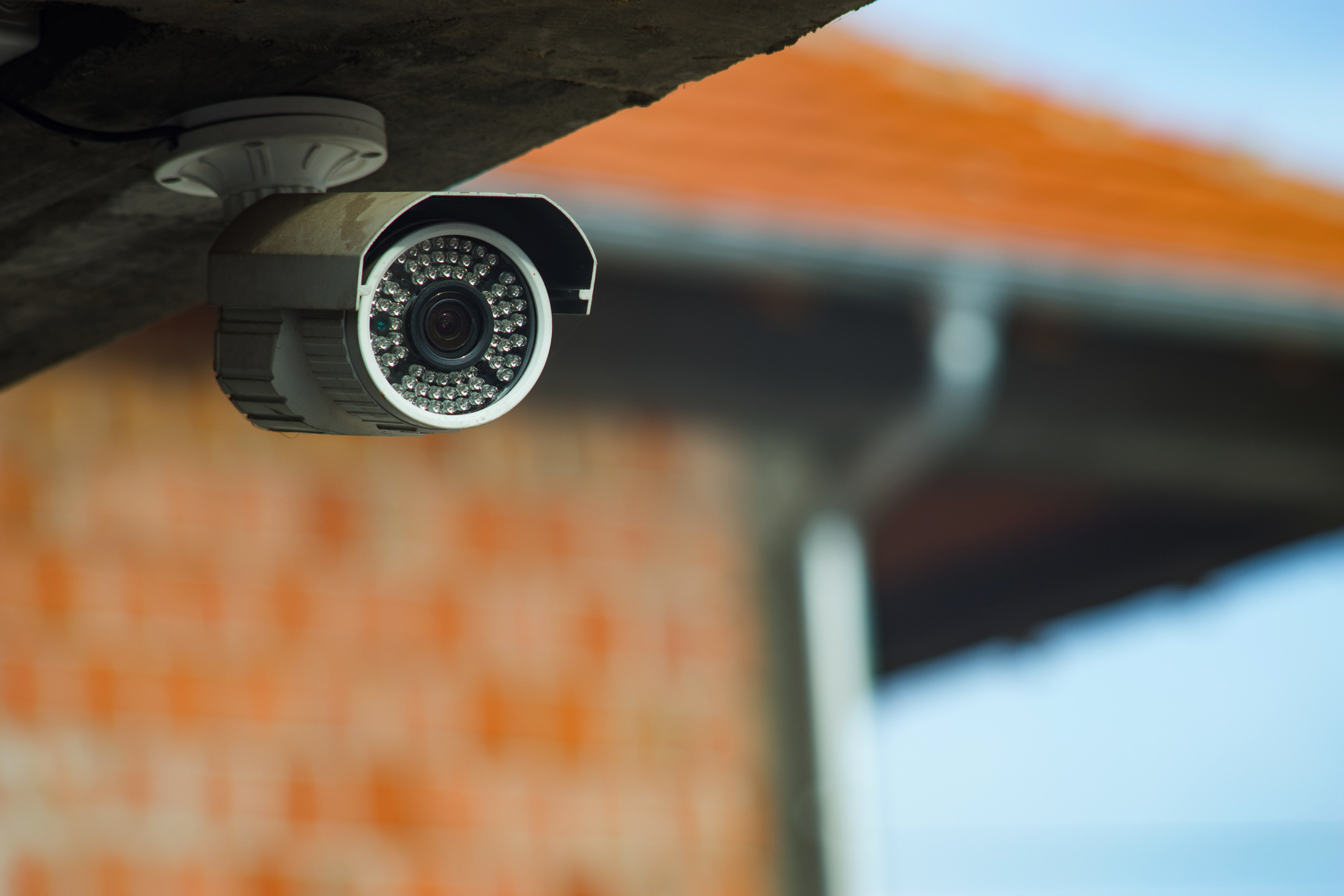

Residential physical security might not always be top of mind, but it’s one of the most critical factors in protecting residents, staff, and property. From unauthorized access to poorly lit areas and outdated security measures, even small gaps can create vulnerabilities that put communities at risk.
This training session, led by HAI Group Senior Risk Control Consultant J.B. Smith, walks housing professionals through proven strategies to identify weaknesses, strengthen site security, and create safer living environments.

What you'll learn
- How security risk management works and why it matters
- Proactive operational behaviors to strengthen site security
- Strategic thinking for both residential and mixed-use properties
- Core site security concepts, including CPTED (Crime Prevention Through Environmental Design)
- Best practices for lighting, fencing, landscaping, and inspections
- Technology implementation: access control, surveillance, and alarms
- How to assess your property’s security risks effectively
Why this matters
Security concerns don’t just affect property assets—they impact resident safety, staff confidence, and community reputation. A proactive approach to physical security can reduce crime, deter unwanted activity, and help housing organizations avoid costly incidents. Over time, consistent security practices build trust, preserve property value, and contribute to stronger, more resilient communities.
Access more resources
Be sure to explore the full range of resources we’ve curated on our Resource Center, designed to help you stay informed, prepared, and resilient, ready to handle anything that comes your way confidently.

Stay connected
Sign up for updates from our blog to stay ahead of emerging trends in insurance, risk management, online training, and affordable housing research, and gain access to the latest resources and tools.