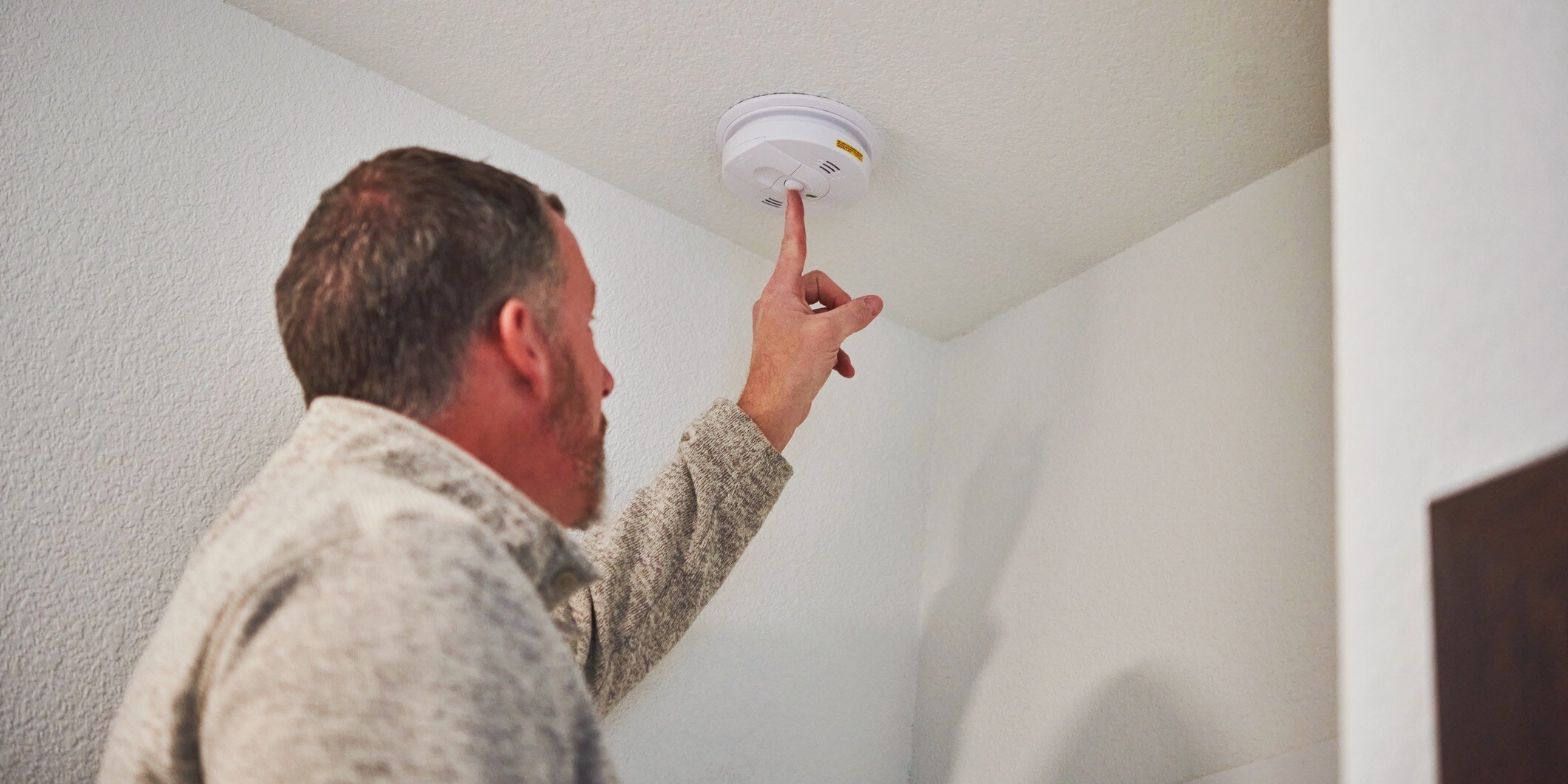


Fire protection systems must operate reliably during emergencies. Housing agencies should conduct regular testing, maintenance, and inspections to protect residents, staff, and property, and to comply with regulations. HAI Group’s Testing, Maintenance, and Inspection Standards for Housing Risk Guide provides an overview of key National Fire Protection Association (NFPA) standards and recommended practices for fire extinguishers, sprinkler systems, and life-safety planning. This guide helps housing professionals understand inspection requirements, recommended frequencies, and the importance of documentation.
This guide is a practical reference for improving building safety and risk management, whether you oversee one property or many. Download it to review your current practices and identify potential gaps.

What you’ll learn
-
Key NFPA standards commonly used by housing agencies, including:
-
NFPA 10: Standard for Portable Fire Extinguishers
-
NFPA 25: Standard for the Inspection, Testing, and Maintenance of Water-Based Fire Protection Systems
-
NFPA 101: Life Safety Code
-
-
Recommended inspection and testing frequencies for fire extinguishers, sprinkler systems, standpipes, fire pumps, and alarms
-
What to look for during routine fire extinguisher inspections, such as proper placement, visibility, pressure levels, and obstructions
-
The importance of preventive maintenance programs for water-based fire protection systems, including pumps and related equipment
-
Why accurate recordkeeping and documentation of inspections, maintenance, and testing is essential for compliance and risk management
-
Best practices for fire drills and emergency preparedness, including recommendations for drill frequency and coordination with local fire departments
Why this matters
Fire protection failures may result in injuries, property damage, operational disruptions, and costly claims. Even well-designed systems can fail if inspections are missed, maintenance is delayed, or records are incomplete. Consistent testing, maintenance, and inspection help housing agencies:
-
Reduce the likelihood of fire-related losses by ensuring systems function as intended
-
Protect residents and staff through improved emergency readiness and safer buildings
-
Demonstrate due diligence in the event of an incident, audit, or claim
-
Support compliance efforts with adopted NFPA codes and local authority requirements
-
Identify small issues early, before they become larger, more expensive problems
Access more resources
Be sure to explore the full range of resources we’ve curated on our Resource Center, designed to help you stay informed, prepared, and resilient, ready to handle anything that comes your way confidently.

Stay connected
Sign up for updates from our blog to stay ahead of emerging trends in insurance, risk management, online training, and affordable housing research, and gain access to the latest resources and tools.