
Safe, stable, affordable housing plays a critical role in shaping educational outcomes for children and young adults. When families have a place to call home, children benefit.
In the sixth edition of our Housing Impact Report blog series, we share research that you can use to demonstrate how affordable housing supports academic success and promotes long-term mobility among children living in assisted homes.
Stable housing reduces disruptions to learning
Frequent moves, housing instability, and homelessness disrupt children's lives, causing missed school days, behavioral challenges, and learning gaps. Affordable housing reduces these disruptions.
When families have access to safe, stable, and affordable housing, children move less and attend fewer schools, promoting stability and reducing behavioral issues. This has long-term academic benefits, as frequent school moves are associated with lower graduation rates and higher rates of mental health struggles and incarceration.
Affordable housing also improves school attendance. Children whose families receive rental assistance miss fewer days of school due to illness, highlighting both the academic and health benefits affordable housing provides.
Affordable housing supports long-term educational and economic outcomes
Beyond minimizing disruptions, affordable housing can improve long-term educational and economic outcomes for children by allowing their families to spend more on educational enrichment and to improve the quality of their neighborhood and home relative to what they could afford in the private market.
Many families seeking housing assistance face disproportionate barriers to school success. Affordable housing can help families work towards leveling the playing field.
A study of New York City public school students who moved into public housing found improvements in math and reading scores. Additionally, evidence suggests that for each additional year spent living in a Low-Income Housing Tax Credit (LIHTC) property as a child, the likelihood of attending college for 4 or more years increased by 4.3%, and future earnings increased by 5.7%.
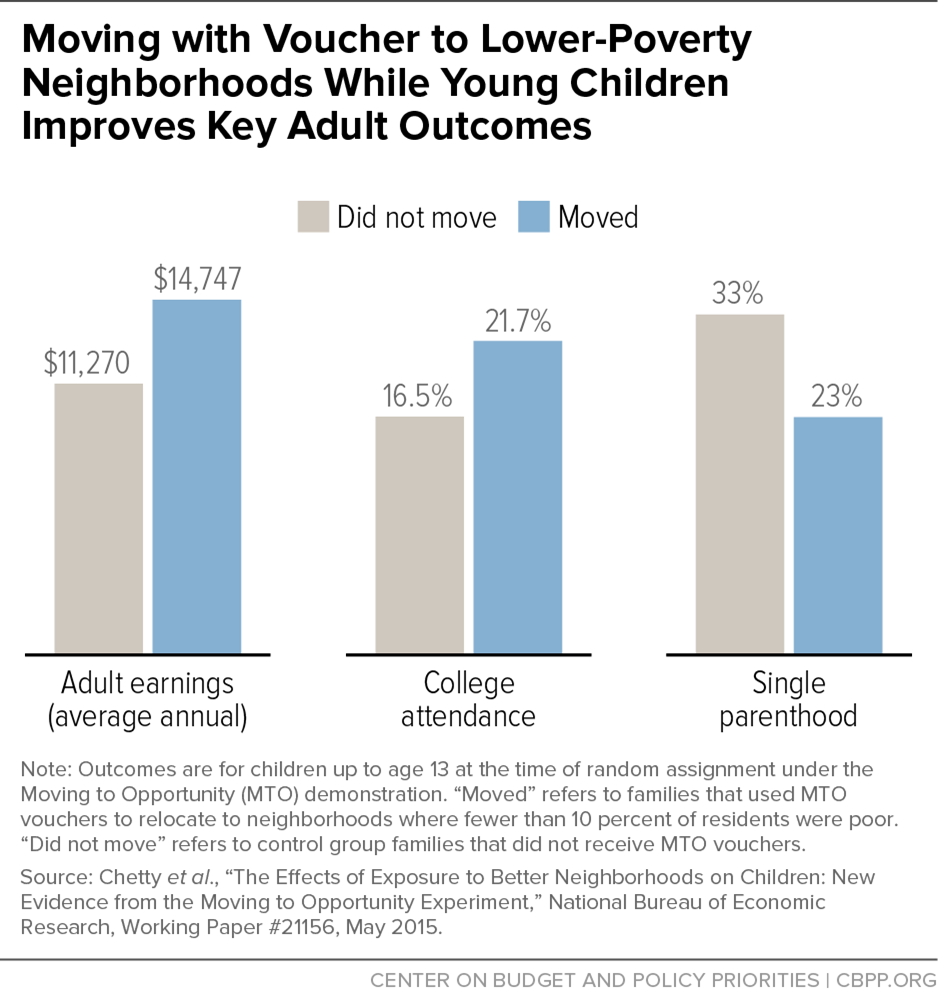
Where affordable housing is located also plays a role in children’s long-term educational and economic outcomes. Young children whose families used housing choice vouchers (HCVs) to move from high to low-poverty areas were more likely to attend college more and earn higher incomes as adults.
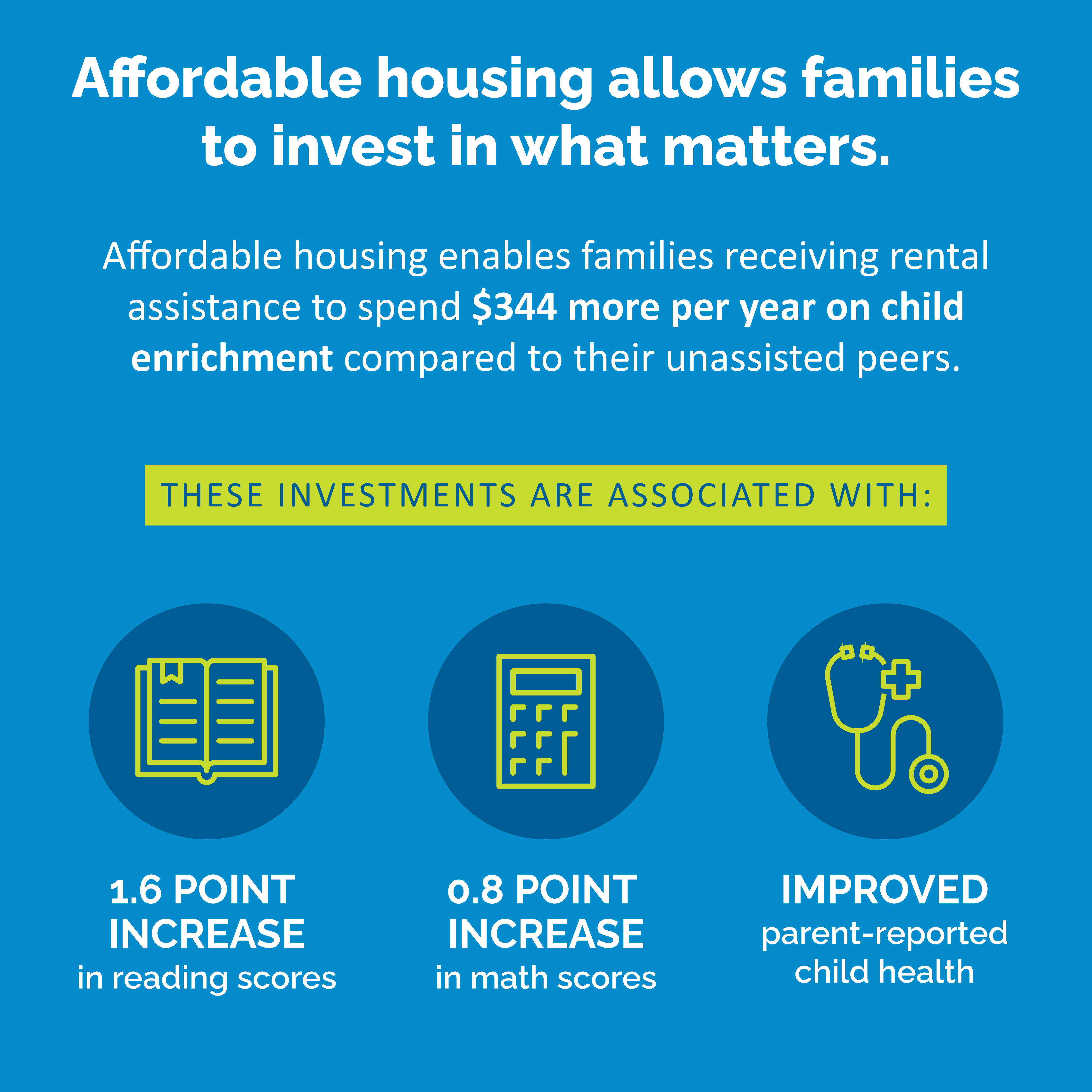
Affordable housing also provides families with the opportunity to spend more on what matters. Research shows that families living in assisted homes spend an average of $344 more on child enrichment compared to their unassisted peers. This investment is associated with a 1.6-point increase in reading test scores, a 0.8-point increase in math test scores, and a slight increase in parents’ reported assessments of their child’s health.
Investing in modernizing affordable housing helps children stay healthy and thrive in school
Preserving affordable housing can further support children’s health and academic success.
Families living in modernized public housing in Boston experience fewer symptoms of sick building syndrome (an illness indicated by headaches, difficulty concentrating, inflammation, asthma-like symptoms, and more), indicating the modernized buildings have better air quality and ventilation. This same study also found that children with asthma living in modernized public housing properties are less likely to experience asthma symptoms and miss fewer school days due to their condition.
In addition to lessening the effects of asthma, modernized public housing supports children’s stability and academic success. Research shows that children living in public housing properties modernized by Fresno Housing performed better in school and attended school more regularly, with lower rates of chronic absenteeism than children living in traditional public housing or in homes assisted by HCVs.
New research shows that children who move into revitalized public housing units earn more as adults, are more likely to attend college, and, among boys, are less likely to be incarcerated. This research also highlights that the cost of revitalizing outdated public housing units is outweighed by the earnings gains of children born into these homes. Investing in modernizing and preserving our affordable housing stock can improve school attendance, increase earnings in adulthood, generate long-term returns that exceed the initial investment, and may positively impact children’s health. Similarly, a study of Chicago families found that moving out of distressed public housing into lower-poverty neighborhoods was associated with reduced rates of high school dropout and arrest, as well as increased earnings in adulthood.
Partnerships can bolster educational outcomes
Across the country, public housing authorities (PHAs) are establishing strategic partnerships to further serve their residents and improve outcomes for children living in their communities.
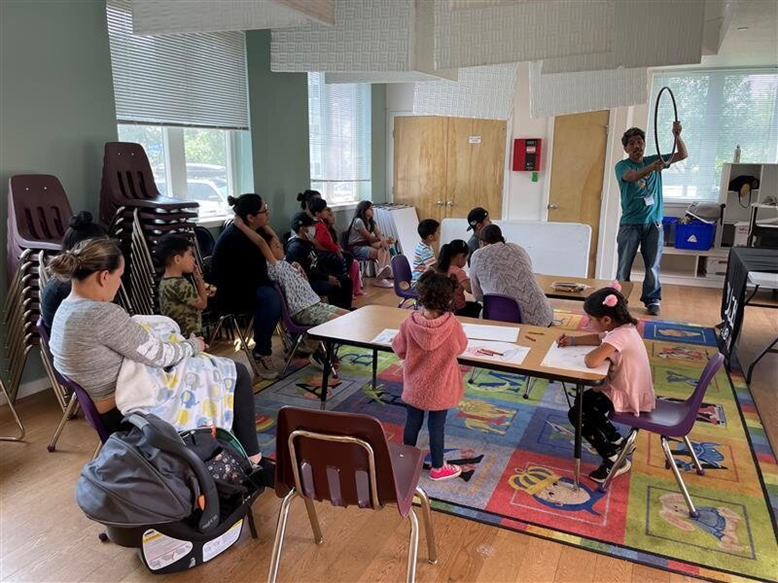
For example, Bolder Housing Partners (BHP) created the Bringing School Home program to support children and their families. This program provides enrichment for children under 6 and supports their parents' education and employment. Through strategic partnerships, BHP offers summer literacy programs, afterschool enrichment, field trips, and more. The results speak for themselves: over 90% of BHP’s young children are enrolled in preschool, compared to state averages of 23% for four-year-olds and 8% for three-year-olds.
Source: Boulder Housing Partnership
Access our blog, Public Housing Authorities Making a Difference Through Partnerships, to learn more about how PHAs are creatively using partnerships to uplift their residents.
Tips for establishing partnerships to support residents
For PHAs looking to strengthen educational outcomes for residents or establish programs and partnerships to improve educational outcomes, consider the following advice from Enterprise Community Partners and PAHRC’s PHA Pathways to Advancing Equity:
Begin by understanding your community’s needs
Conduct a needs assessment using available data or survey residents to better understand what challenges they face in accessing education themselves or supporting their children’s academic success. By starting with resident needs, you can ensure that programs address real gaps, increasing the likelihood of positive program impact.
Build cross-sector partnerships
Start by engaging local school districts, early childhood providers, and community-based organizations to understand what efforts are already underway in your community and to avoid duplication, helping ensure time is spent efficiently and that new programs are built on a solid foundation.
To build strong partnerships, consider joining local working groups, sharing compelling stories about your impact, or offering space for community activities.
Define shared goals and outcomes from the start
Ensure all partners are aligned to avoid future confusion, including creating clear measures of program success.
Structure your partnerships
Establishing clear roles, systems, and processes can help partners operate more effectively. Consider creating an MOU, data-sharing plans, and a communication structure between organizations when building new partnerships.
Plan for the long-term
To help programs succeed and create lasting impact, think beyond the initial implementation. Consider how you will incorporate program evaluation and continuous improvement, and how the program will be funded, to ensure your work is sustainable for years to come.
Ready to learn more?
Download the Housing Impact Report for more data to dispel myths and demonstrate the impact of affordable housing.

Download PHA Pathways to Advancing Equity to explore more examples of programs, policies, and practices that PHAs have established to improve educational outcomes, employment opportunities, and more.

Additional resources
To access the full Housing Impact Report series, start with our first blog, Housing Research: How Affordable Homes Strengthen People and Communities.