
When a fire, flood, severe storm, or other property loss affects a housing organization, the recovery process begins long before repairs are complete. The restoration company you choose, and how quickly you engage them, can influence everything from repair costs and claim outcomes to resident disruption and recovery timelines.
Unfortunately, many organizations don't start thinking about restoration until after a loss. At that point, they're often making important decisions under pressure while trying to protect their properties, support displaced residents, and coordinate with contractors and insurance representatives. Preparation makes all the difference.
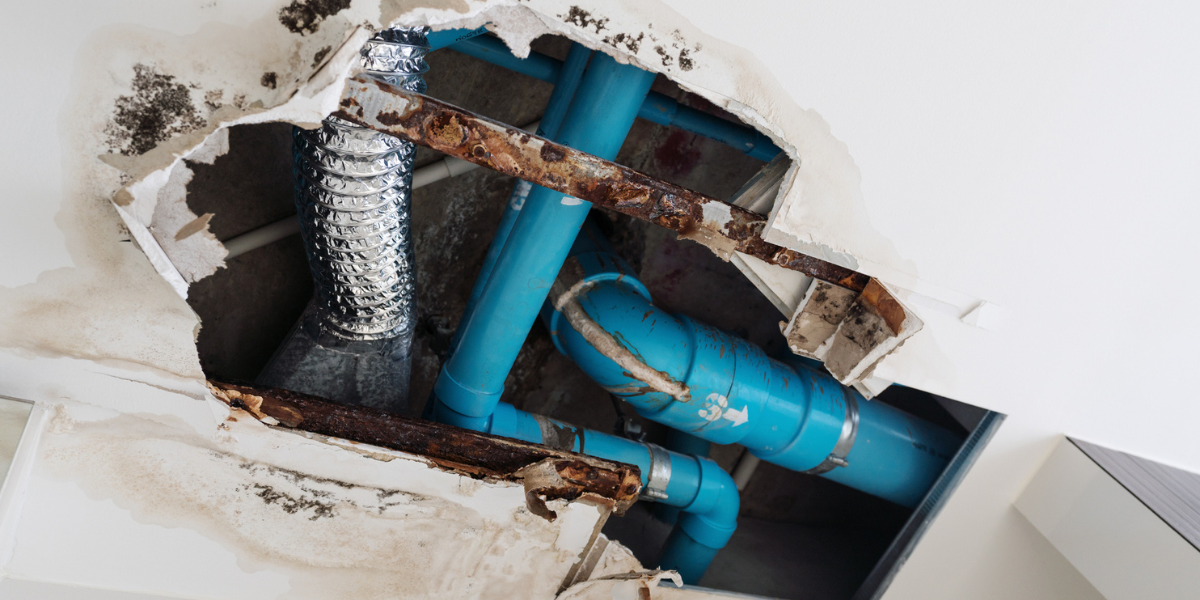
According to the Federal Emergency Management Agency (FEMA), mold growth can begin within 24 to 48 hours after water damage occurs. A prompt response can help limit additional damage, reduce restoration costs, and get residents back into their homes sooner. Whether your organization has experienced a major property loss before or is preparing for the unexpected, these best practices can help you establish restoration partnerships, improve communication, and position your organization for a smoother recovery.
Restoration planning starts before a loss occurs
 One of the most effective ways to improve recovery after a property loss is to prepare before an emergency ever happens. An up-to-date business continuity plan should clearly define who is responsible for key recovery activities, including reporting losses, communicating with residents, coordinating with contractors, and working with your insurance representatives.
The plan should also include:
-
Emergency contacts
-
Restoration contractor information
-
Utility shutoff procedures
-
Data backup protocols
-
Strategies for maintaining essential services during recovery
HAI Group policyholders: You have access to a free business continuity planning tool. Visit our website to learn more.
Planning for resident displacement is equally important. Identifying temporary housing options and establishing relationships with local hotels or other housing providers before an emergency can help reduce disruption if residents need to relocate during repairs.
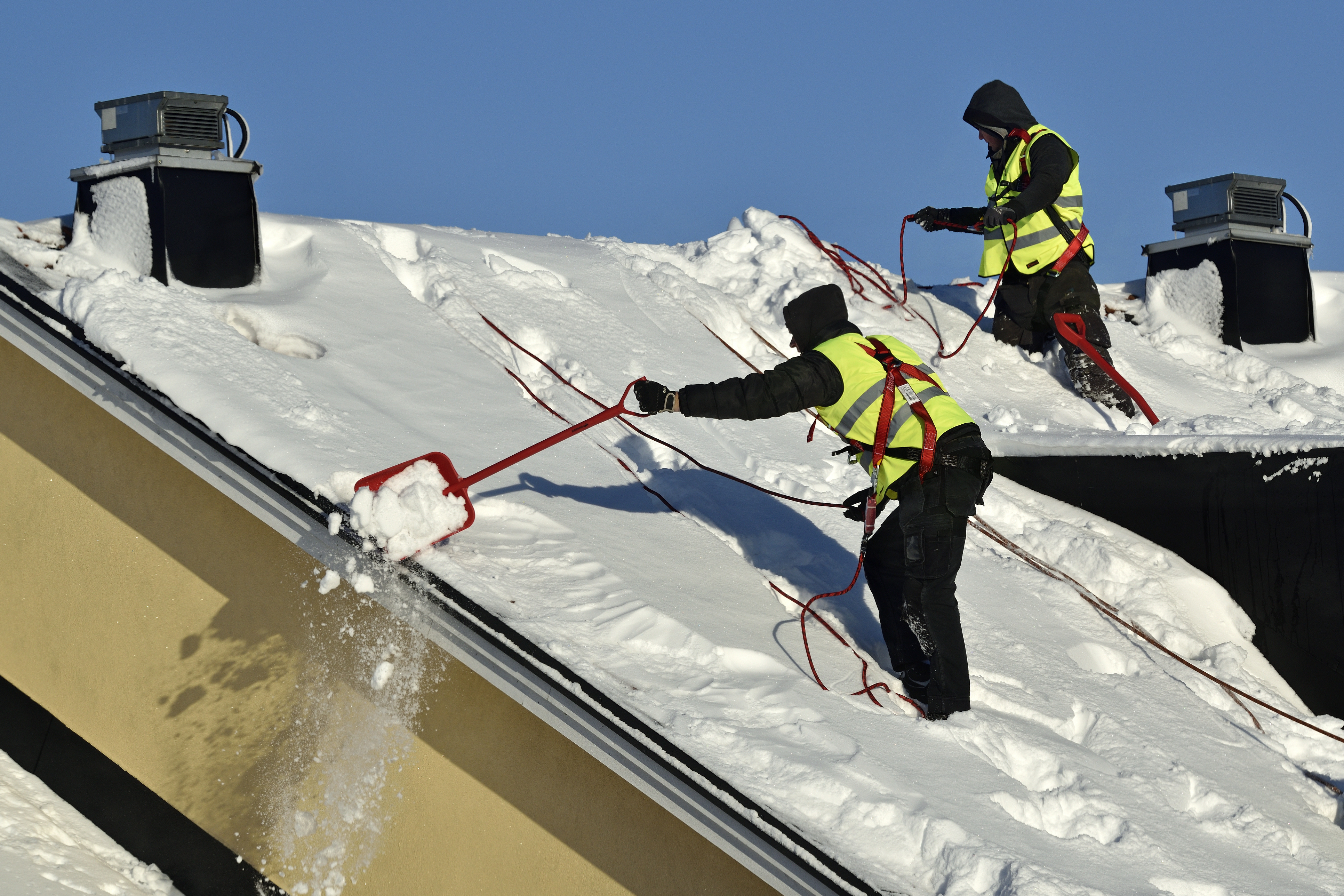
Routine preventive maintenance also plays an important role in restoration planning. Addressing maintenance concerns before they become larger problems, maintaining fire protection systems, and preparing properties for severe weather can reduce both the likelihood and severity of future losses, according to Mary Ciccaglione, assistant director of risk control and consulting at HAI Group.
"Organizations that recover most efficiently are often those that have already established clear responsibilities, emergency procedures, and recovery plans before disaster strikes," Ciccaglione said.
Discover how a business continuity plan can help your organization prepare for and recover from disruptions in the recorded session below from the 2025 Virtual Risk Management Conference.
Build relationships with restoration contractors before you need them
One of the biggest mistakes housing organizations can make is waiting until after a disaster to begin searching for a restoration company. During large-scale weather events or regional disasters, qualified restoration contractors are often in high demand. Organizations that have already established relationships with trusted vendors are generally better positioned to secure assistance quickly, while those starting from scratch may face longer wait times and fewer options.
Rather than relying on a single contractor, consider identifying several qualified restoration companies that can respond to different types of losses or provide support if one contractor is unavailable. Alkis Liopiros, property claims manager at HAI Group, recommended building those relationships before an emergency occurs.
"If you don't have anyone identified, it's a good idea to start building relationships with local contractors and have them ready to go if something happens," Liopiros said.
Taking time to vet contractors in advance also allows organizations to compare qualifications, understand service capabilities, and make thoughtful decisions without the pressure of an active emergency.
What to look for in a restoration company
Not every restoration company offers the same level of experience or service. Before adding a contractor to your preferred vendor list, evaluate several important factors.
Availability and emergency response
Property losses don't always happen during business hours. Look for restoration companies that provide 24-hour emergency response and have sufficient staffing to respond quickly after major weather events or widespread disasters.
Experience and expertise
Choose contractors with experience restoring multifamily housing and repairing the types of losses your organization is most likely to encounter, such as water, fire, storm, or mold damage. Familiarity with building codes, occupancy requirements, and insurance claims can also streamline the recovery process.
Licensing, insurance, and certifications
Before hiring a contractor, verify that they are properly licensed where required, carry adequate insurance, and maintain appropriate certifications. Liopiros stressed that contractor insurance should never be overlooked.
Reputation and references
Ask for references from organizations with similar property types and, whenever possible, review previous restoration projects. A contractor's reputation for communication, quality work, and responsiveness can be just as important as their technical capabilities.
Contract review
Before signing any agreement, carefully review contract language, including pricing, scope of work, insurance requirements, termination provisions, and indemnification clauses to ensure your organization is protected.
Why mitigation is the first step in successful restoration
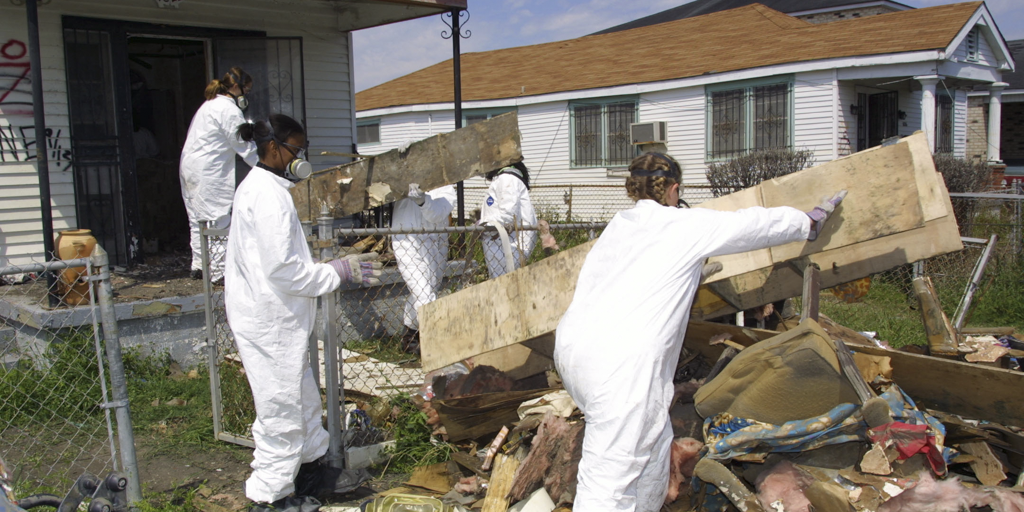
Although restoration is the long-term goal, successful recovery begins with timely mitigation. Following a fire, water loss, or storm event, immediate mitigation efforts can help stabilize the property and prevent additional damage while permanent repairs are planned. This may include extracting standing water, drying affected materials, securing damaged areas, or protecting the building from further exposure.
According to Liopiros, delaying mitigation can significantly increase the extent of damage.
"The longer water sits, the greater the chance of additional damage. Water spreads, mold begins to grow, and the overall damage becomes much worse," Liopiros said.
Protecting property from further damage is the policyholder's responsibility, Liopiros added. Acting quickly not only helps preserve the property but can also support a smoother insurance claim.
Working with your restoration contractor throughout recovery
Selecting a restoration company is only the beginning. Maintaining active involvement throughout the restoration process helps keep projects on schedule and ensures work is completed as expected. Organizations should designate someone to oversee contractor activities, monitor progress, inspect completed work, and maintain regular communication with both the contractor and internal stakeholders.
Documentation is equally important. Keep organized records of contracts, photographs, invoices, work logs, communications, and expenses throughout the project. These records can support insurance claims, help resolve contractor disputes, and document the restoration process from start to finish, according to Ciccaglione.
"When appropriate, preserve any damaged materials," Ciccaglione said. "For example, if an appliance is suspected of causing a fire, disposing of it before an investigation may eliminate opportunities for subrogation."
Partnering with Claims for a smoother recovery
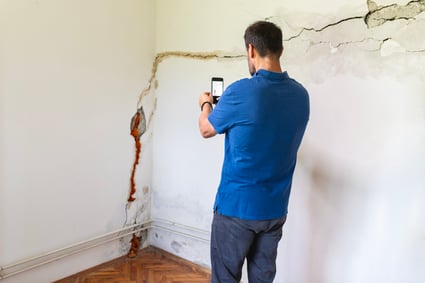 Early communication with your insurance carrier can help move the recovery process forward. Report losses as soon as possible and designate a primary point of contact who can work directly with claims representatives, adjusters, and restoration contractors throughout the project.
Liopiros emphasized that successful recoveries depend on teamwork.
"We all need to work together to get the claims process moving and get repairs completed as quickly as possible," he said.
Once the initial scope of work has been developed, organizations can begin obtaining repair bids while adjusters work toward an agreed scope and pricing. Staying engaged throughout the process helps avoid unnecessary delays and keeps repairs moving forward.
HAI Group policyholders: our claims reporting process is available 24/7. Review the claims process, access key forms, and more on our website.
Keep residents at the center of recovery
While restoring buildings is the immediate objective, restoring homes for residents is the ultimate goal. Every day a unit remains uninhabitable can disrupt families, delay the availability of housing, and place additional strain on housing organizations.
Organizations that recover most efficiently typically prioritize communication with residents, establish temporary housing plans in advance, and work collaboratively with contractors and claims professionals to complete repairs as quickly and safely as possible.
As Liopiros explained, "At the end of the day, we want to get residents back into their units."
Recovery starts before disaster strikes
You can't always prevent emergencies, but you should try to be prepared when they happen.
By developing a business continuity plan, establishing relationships with qualified restoration contractors, understanding the importance of early mitigation, and maintaining strong communication throughout the claims and restoration process, housing organizations can reduce disruption, protect their properties, and support residents when they need it most.
If you have questions about emergency preparedness, business continuity planning, or reducing property risks at your organization, contact your HAI Group risk control consultant.