

As temperatures drop, reliable heating becomes essential for housing organizations and the residents they serve. A boiler failure during the coldest months of the year can create more than an inconvenience. It can disrupt building operations, result in costly emergency repairs, and put resident safety at risk.
Without adequate heat, residents may turn to unsafe heating methods, such as space heaters or ovens, increasing the risk of fire. Buildings may also become more vulnerable to frozen pipes and extensive water damage. In some cases, housing organizations may need to arrange temporary accommodations for affected residents, which can add to the financial and operational impact.
Fortunately, proactive maintenance, routine monitoring, and thoughtful planning can help housing organizations reduce these risks and prepare for unexpected equipment failures. Following a recent preseason boiler training virtual session hosted by HAI Group and Travelers BoilerRe, representatives from BoilerRe and the HAI Group Risk Control and Consulting and Claims teams shared recommendations to help housing organizations protect their heating systems throughout the season.
Start preparing before cold weather arrives
 Preparing for the heating season should begin well before temperatures drop and boilers need to operate consistently.
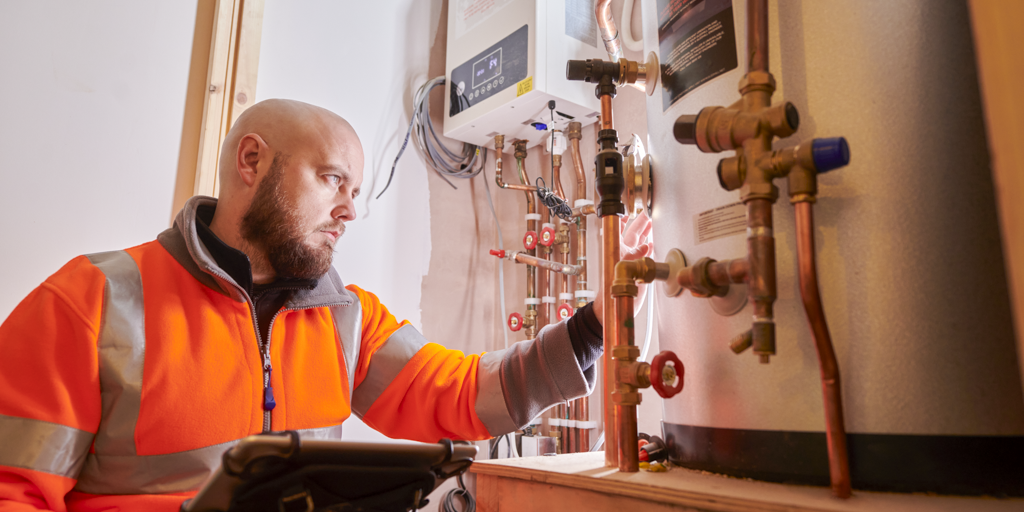
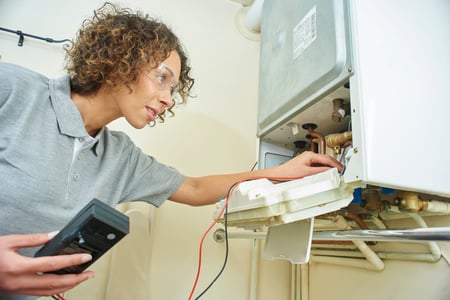
David Hamel, senior regional risk control and account consultant with BoilerRe, said one of the most important steps housing organizations can take is scheduling a startup service with a qualified contractor before the heating season begins. This service provides an opportunity to identify potential problems, address maintenance needs, and confirm that equipment is ready for the demands of colder weather.
For organizations without the necessary expertise in-house, establishing a relationship with a qualified boiler maintenance contractor is especially important.
Elizabeth Owens, director of risk control and consulting at HAI Group, recommends considering a service agreement that includes routine testing, cleaning, and repairs. Depending on the agreement, these contracts may also offer benefits such as discounted parts and services, priority emergency response, and assistance obtaining replacement components when supply chain challenges arise.
Addressing maintenance needs early can help organizations avoid unexpected problems when heating systems are needed most.
Monitor equipment and document operating conditions
Boiler maintenance should continue throughout the heating season, not end once the equipment is running. Hamel recommends checking boilers and associated equipment at least weekly for signs of developing problems. Even seemingly minor changes can indicate a larger issue. Unexplained water on the floor, unusual sounds from rotating equipment, or other abnormal operating conditions should be investigated before they contribute to an equipment failure.
Owens noted that risk consultants sometimes encounter boiler rooms without evidence of regular maintenance checks or operating logs. They have also identified leaks that, if left unaddressed, could eventually contribute to equipment shutdowns. Regular walkthroughs provide an opportunity to recognize these warning signs, while written operating logs help maintenance teams track equipment performance over time.
What should a boiler operating log include?
Owens recommends documenting information such as:
- Date of inspection and property or building location
- Boiler identification number
- Operating pressure and temperature
- Evidence of leaks
- Unusual noises or odors
- Warning indicators or fault messages
- Venting conditions
- General housekeeping conditions
- Corrective actions or work orders
- Name of the person conducting the inspection
Maintaining consistent records allows organizations to establish a baseline for normal operation and identify trends that may indicate developing problems. When concerning conditions are identified, maintenance teams should report them promptly and arrange for a qualified technician to investigate and make necessary repairs.
Download: Sample boiler operating logs designed for both hot-water heating and low-pressure boilers.


Prepare for unexpected heating failures
 Even with consistent preventive maintenance, equipment failures can still occur. Having a written contingency plan can help housing organizations respond more effectively and minimize disruptions to residents and building operations. Hamel emphasized the importance of identifying options for equipment repairs, replacement, and temporary rental equipment before an emergency occurs.
Owens agrees, noting that a documented plan can eliminate delays caused by making critical decisions during an already stressful situation.
A boiler failure contingency plan should address several key considerations:
- Temporary heating options: Identify available backup equipment, rental options, and contractors who can provide temporary heat.
- Emergency contacts: Maintain current contact information for maintenance contractors, equipment suppliers, and other essential service providers.
- Resident support: Determine what assistance may be needed if residents experience an extended heating outage, including potential temporary accommodations.
- Decision-making responsibilities: Establish who has the authority to approve emergency repairs, equipment rentals, or other necessary expenditures.
- Communication procedures: Develop a process to notify residents, provide updates, and communicate expected restoration timelines.
Having these details documented and accessible can help maintenance and property management teams act quickly when heating equipment fails. Organizations should also review their contingency plans periodically to ensure that contact information, available resources, and response procedures remain up to date.
Know what to do when equipment fails
When a boiler or heating system fails, the actions taken immediately afterward can affect both the extent of the damage and the insurance claims process.
Michael Pepe, assistant director of property claims at HAI Group, notes that boiler and equipment breakdown losses can result from several issues, including switch failures, power interruptions or surges, and leaks. A lack of regular maintenance or continued operation of equipment that is not functioning properly can also contribute to losses.
Pepe recommends that policyholders report potential claims as soon as possible so the Claims team can begin evaluating the loss and arrange for an inspection when appropriate. At the same time, organizations should contact their equipment vendor to assess the damage and document the findings. Maintenance records and work orders completed before the loss can provide valuable information during the claims investigation.
Preserving damaged equipment and components is equally important. Discarding damaged parts before they can be inspected may result in the loss of important evidence and limit potential opportunities for subrogation, the process through which an insurer may seek recovery from a responsible third party. Prompt reporting, thorough documentation, and preservation of damaged equipment can help support the claims process and any potential recovery efforts.
The financial implications of equipment failures are also becoming more significant. Alkis Liopiros, manager of property claims at HAI Group, noted that the severity of equipment-related losses is increasing alongside the cost of replacement parts and repairs. These rising costs further reinforce the importance of maintaining equipment at recommended service intervals and addressing emerging issues before they become major failures.
HAI Group policyholders: Learn more about equipment breakdown coverage and how we can assist you.
Plan for long-term equipment needs
Preventive maintenance is only one part of managing boiler-related risks. Housing organizations should also understand the age and condition of their heating equipment and plan for eventual replacement.
Owens recommends working with qualified contractors to maintain an inventory of boilers and related heating equipment, including each unit's age, manufacturer, model, and serial number. This information can help maintenance teams identify equipment recalls, monitor aging systems, and anticipate replacement needs before an unexpected failure occurs.
Planning and budgeting for equipment replacement can also help organizations avoid additional expenses associated with emergency repairs, labor surcharges, and potential delays in obtaining replacement parts. By incorporating equipment replacement planning into their broader maintenance and budgeting processes, housing organizations can make more informed decisions about their properties and reduce the likelihood of costly emergency replacements.
Access additional boiler safety resources
Maintaining reliable heating systems requires a combination of preventive maintenance, regular monitoring, accurate recordkeeping, and emergency preparedness.
To help housing organizations strengthen these practices, HAI Group offers a collection of practical guidance and downloadable tools developed in partnership with Travelers BoilerRe. The resource includes information on low-water conditions, seasonal heating boilers, combustion safeguard maintenance, and operating logs for hot water heating and low-pressure boilers.

HAI Group policyholders: Our Risk Control and Consulting team can help your organization evaluate existing maintenance practices, identify opportunities for improvement, and strengthen emergency contingency planning.
For additional guidance on boiler safety and loss prevention, contact your HAI Group risk management consultant.
