


Distinguishing between collecting and hoarding is crucial, as the consequences for residents and housing providers are dramatically different.
Collecting is a hobby that generally allows individuals to maintain space for daily activities, such as cooking, cleaning, and moving freely around the home. In contrast, hoarding can make these essential routines difficult or unsafe, involving a compulsive need to acquire and keep items regardless of their value, and difficulty discarding them.
Beth Markowski-Roop, Marketing Director with disaster restoration and specialty cleaning services company ServiceMaster by Mason, spoke about the dangers and risks associated with hoarding at the 2025 CONN NAHRO Annual Convention & Exhibition. We followed up with Markowski-Roop, who has led hoarding awareness and cleanup efforts across the Northeast, to discuss in more depth the dangers of hoarding, the risks, the warning signs, and the resources that housing agencies can use to protect residents and properties.
“The biggest misconception is who is hoarding, what they are hoarding, and also that there are no resources out there,” said Markowski-Roop.
The facts about hoarding
Research indicates that between 2% and 6% of people worldwide experience hoarding disorder. Symptoms can appear as early as the teenage years and often worsen with age.
Many cases are linked to trauma, grief, or other mental health challenges, and hoarding can also be an early symptom of dementia or post-traumatic stress disorder.
“Someone who has experienced trauma, that’s what their trigger is,” said Markowski-Roop. “They go through life as normal as can be, and then the loss of a loved one is so overwhelming that if they cocoon themselves with all this stuff, nothing will hurt them again.”
Collecting vs. hoarding
While collectors and hoarders both tend to acquire large numbers of items, their motivations and impacts differ greatly.
Collectors usually value each object and often build collections tied to traditions, holidays, or shared experiences with family. These collections are typically organized and do not interfere with daily life.
Hoarding—a complex mental health condition marked by the compulsive need to acquire and keep possessions, even items of little or no value, without being able to discard them—disrupts a person’s ability to live a normal life, interfering with everyday activities, such as cooking, cleaning, entertaining, and even navigating the home safely. Rather than being about appreciation of specific items, hoarding is more about compulsion, often tied to underlying trauma or emotional needs.
“Hoarders are literally living every single day of their life as though it’s the very first day of hearing the news of the loss of that loved one,” Markowski-Roop explained.
Stages of hoarding
Hoarding can progress through various stages, ranging from mild clutter to extremely hazardous living conditions. Recognizing the stage can help housing staff determine the level of risk and appropriate intervention:
- Stage 1: Minimal clutter; all rooms are still usable.
- Stage 2: More noticeable clutter and odors; some rooms may be difficult to navigate.
- Stage 3: Significant clutter blocks living areas; pests, mold, or structural damage may appear.
- Stage 4: Severe health and safety risks, including blocked exits and unusable kitchens or bathrooms.
- Stage 5: Extreme conditions with major fire hazards, structural instability, and immediate danger to residents and neighbors.
Hoarding categories
Hoarding can also take many forms. Understanding the type of hoarding can help housing staff recognize the risks and tailor their approach accordingly.
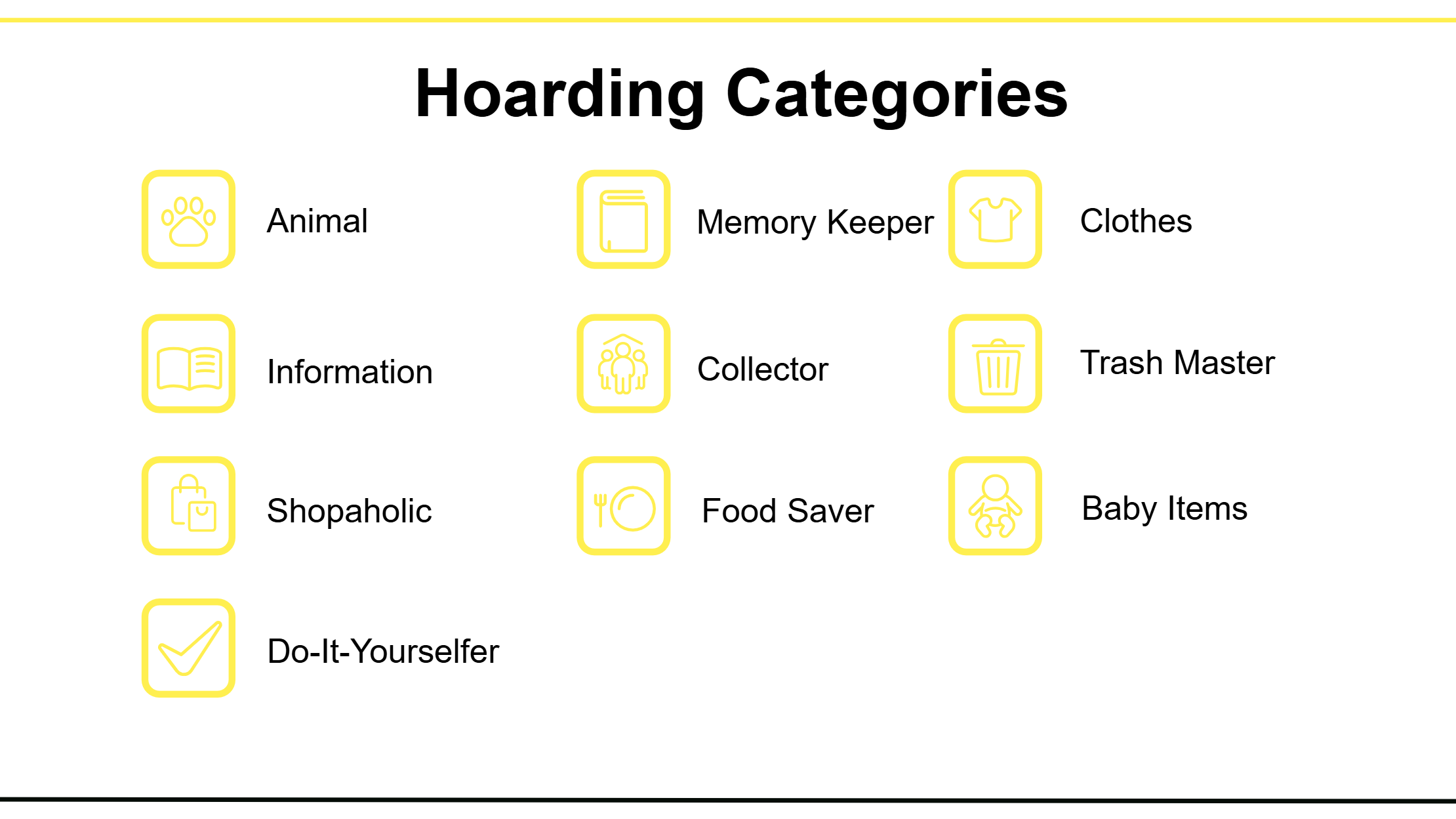
“Hoarders are absolutely brilliant at keeping people out and hiding their disorder,” Markowski-Roop noted. “It’s not always who you think. We’ve worked with teachers, healthcare professionals, and even accountants. It’s people who have means and disposable income to feed that disorder.”
Why hoarding is a concern in multifamily housing
Hoarding poses serious risks not only for the hoarder but also for neighbors, staff, property owners, and even first responders, including fire, police, and rescue personnel. Cluttered units can create fire hazards, block exits, and make kitchens or bathrooms unusable. Mold, pests, and foul odors often spread to surrounding units, impacting other residents as well.
The risks go even further:
- Insurance challenges: Insurance carriers can cancel home insurance policies for homes or multifamily properties with a hoarding unit.
- Structural damage: Hoarding places significant strain on floors and walls, sometimes exceeding the building's structural capacity.
- Fire risk: If a fire breaks out in a hoarding unit, the added weight of firefighting water can cause floors or ceilings to collapse.
“We work with a lot of assisted living facilities, and there are very few that will accept someone who is a hoarder because there are just too many health and safety concerns for other residents,” said Markowski-Roop.
Hoarding fire safety issues
The National Fire Protection Association (NFPA) noted that hoarding contributed to 24% of preventable residential fire deaths, even though it only made up 0.25% of incidents.
Firefighters may face:
- Blocked windows and doors, making it difficult for them to get into a hoarding home to fight the fire and search for occupants.
- Piles of belongings, slowing them down as they move through a residence.
In addition, everyday activities, such as cooking and heating, become hazardous when personal items crowd ovens, stovetops, or heating equipment.
“First responders right now are being told if the house is on fire, let it burn,” said Markowski-Roop. “Get the homeowner out, but let the house burn. There just aren’t enough firefighters, and the safety risks inside hoarding homes are too great.”
Warning signs to look for
During inspections or interactions with residents, staff should be alert to red flags such as:
- Units that are difficult to navigate or have blocked kitchens or bathrooms
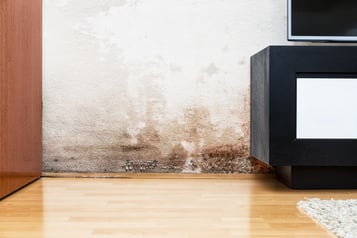
- Odors, mold, or pests affecting neighboring apartments
- Clutter in hallways or shared spaces
- Residents who resist inspections or deny access to their unit
“It’s not what you see on top of the pile that’s the safety concern—it’s what’s underneath: spilled chemicals, mold, harmful bacteria, or blocked exits,” Markowski-Roop emphasized.
Approaching the situation with compassion
Because hoarding is tied to deep emotional struggles, approaching residents with empathy is essential.
“Deadlines and ultimatums do not work,” Markowski-Roop said. “Tough love does not work. It is compassion, always. No judgment is the rule.”
Housing professionals are encouraged to prioritize safety over possessions, establish clear expectations, and remain patient when working with affected residents. Conversations should be framed in nonjudgmental language, acknowledging that things may have gotten overwhelming while emphasizing the importance of a safe living environment.
“Look beyond the photo of the shock and awe of the clutter,” she advised. “Look for what their trigger could be.”
Next steps for housing organizations
Addressing hoarding in multifamily housing requires a balanced approach that protects the community while supporting the residents.
“The first thing housing authorities should do is build trust and rapport,” Markowski-Roop said. “Look for the trigger. That’s going to help you communicate and create parameters for cleaning that work.”
To reduce risks and manage hoarding effectively, housing organizations can:
- Conduct annual inspections and use checklists to identify risks early.

- Maintain clear policies about trash disposal, obstructions, and unit access.
- Partner with local agencies, such as fire departments, health departments, or protective services, when severe hazards are identified.
- Train staff on safe interactions, including the use of personal protective equipment (PPE) when entering hoarded units.
“It’s not about being the bad guy saying, ‘You have to clean up,’” she added. “It’s about explaining, ‘You agreed to these standards when you signed your contract,’ or ‘The fire department has said this needs to be clear.’ Frame it around safety, not punishment.”
Markowski-Roop also highlighted the importance of local collaboration. “There are resources out there—Massachusetts is the gold standard. Rhode Island has an amazing hoarding task force that’s even creating training for firefighters and first responders,” she said.
Closing the gap between safety and compassion is not easy, but housing providers who approach hoarding with patience and preparedness can protect their communities and support residents. With the right policies, training, and partnerships, it’s possible to reduce risks and create safer living environments for everyone.
Resources for staff and residents
- The Clutter Image Rating Scale (CIR): A visual tool using images of rooms in varying stages of clutter to assess possible hoarding. Scores of 4 or higher in the kitchen, living room, or bedroom indicate a probable hoarding issue. Available on iTunes, the Ben Rose Institute, or as a fillable PDF.
- HOMES Assessment (Christiana Bratiotis, 2009): A brief tool to assess clutter-related risk and plan further action. HOMES stands for Health, Obstacles, Mental Health, Endangerment, and housing Structure. Download at NAIHC.
- 10 Steps to a Safer, Healthier, and More Comfortable Home: Developed by the Wellington Guelph Hoarding Network in collaboration with local fire, public health, housing, and animal services. Download the checklist here.
For questions or guidance on addressing hoarding risks at your property, reach out to your designated risk control consultant.