---
title: "From Vacancy to Vulnerability: Protecting Housing Properties During Transition"
description: Learn essential strategies to protect vacant housing properties from risks like theft and damage, ensuring safety and cost control during transitions.
image: https://blog.haigroup.com/hubfs/Vacant_Building_Featured-Image_.jpg
---
[Skip to content](https://blog.haigroup.com/from-vacancy-to-vulnerability-protecting-housing-properties-during-transition#main-content)
[](https://www.haigroup.com/)
- SEARCH
- [Risk Management](https://blog.haigroup.com/tag/risk-management),
- [Affordable Housing](https://blog.haigroup.com/tag/affordable-housing)
# From Vacancy to Vulnerability: Protecting Housing Properties During Transition
- June 4, 2026

[Bryan Padilla | Marketing and Communications Specialist | HAI Group](https://blog.haigroup.com/author/bryan-padilla)
[\< Back to Resource Center](https://blog.haigroup.com)
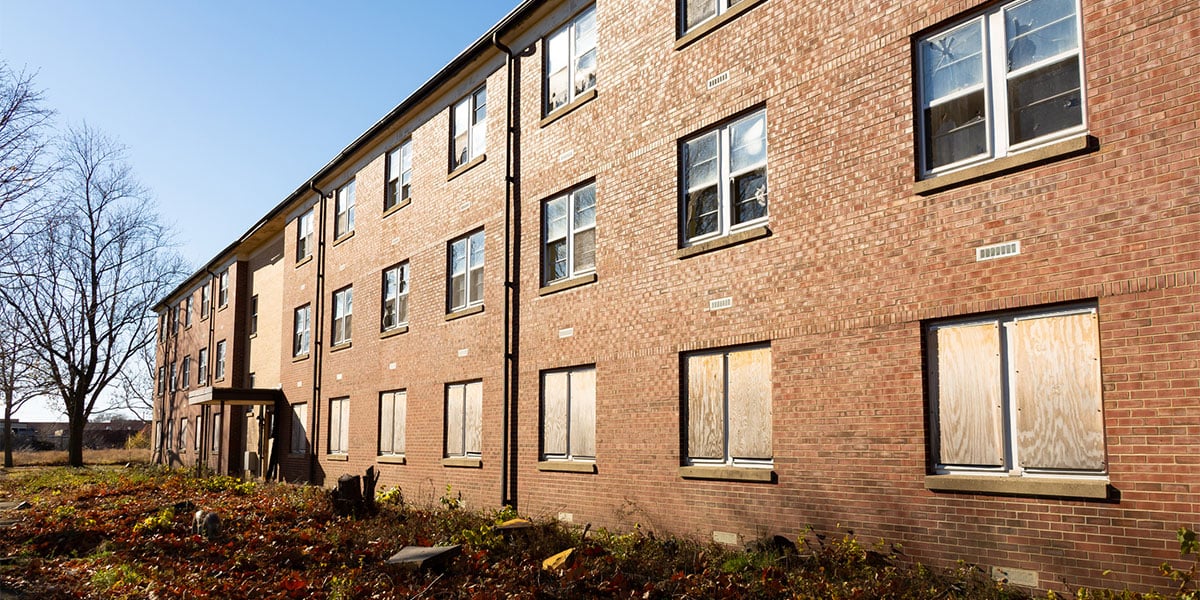
Vacancies are a routine aspect of housing organization operations, whether due to unit turnover, future planning, or after a loss. However, from a risk perspective, vacancy can be one of the most vulnerable phases in a property’s lifecycle.
[The average burglar takes less than one minute to break into a home, with the average burglary lasting 8 to 12 minutes](https://www.apialarm.com/blog/protection/how-long-does-the-average-burglary-last/), according to residential and commercial security company a.p.i. ALARM. This means that break-ins can happen before property management may notice signs of entry.
When a unit or building is vacant, the lack of daily activity eliminates natural safeguards. Despite these risks, vacancy losses can be prevented with consistent operational controls.
To help your organization prepare to address vacant units, [we partnered with DAWGS Vacant Property Security](https://www.dawgsinc.com/), a provider of vacant property security, and Lee Brown, senior risk control consultant with HAI Group’s Risk Control and Consulting team, to develop best practices your team can use to reduce risk during vacancy.
## Act immediately when a property becomes vacant
Significant losses often occur soon after vacancy, not months later. In just a few days after a unit becomes vacant, an unsecured door or unlocked window can become an entry point for theft, vandalism, or arson. Property management should implement vacancy controls as soon as a unit or building becomes vacant. Immediate vacancy protocols include:
- Securing the structure
- Assessing utilities
- Assigning responsibility immediately
“Vacancy creates a perfect storm,” Brian Turner, senior territory representative with DAWGS, said. “The unit has less day-to-day oversight; it looks unoccupied from the outside, and it often contains materials or fixtures that attract theft or vandalism. Even short vacancy windows can lead to copper theft, unauthorized entry, or liability issues if a unit isn’t secured right away. From a risk perspective, it’s when small delays can turn into expensive problems.”
## Secure all access points
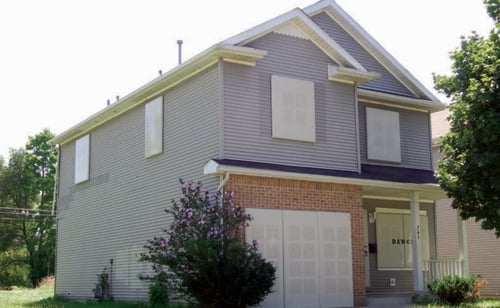Effective vacant property security requires a full-perimeter approach. Unauthorized entry often occurs through:
- Secondary doors
- Basement entrances
- Ground-level windows
- Non-standard openings created by previous work
Assess all access points and secure every viable opening with deterrents such as tamper-resistant steel guards. This not only physically secures the building but also creates visual deterrents that discourage targeting.
“If even one access point remains vulnerable, the entire property is at risk,” Brown stated.
## Plan for reentry and resecuring
Security measures are only effective if they remain in place. Vacant properties often require access for inspections, maintenance, and contractor work, making it important to establish a process for authorized entry and ensure security measures are restored immediately afterward.
To mitigate these risks, create a reentry protocol that defines:
- Who authorizes access
- How access is logged
- How and when the property is resecured
Each authorized entry creates a temporary vulnerability if security measures are not restored immediately after work is completed.
“Resecuring should be treated as a required final step, not an option,” Turner said. “Entry deterrence structures such as steel door guards can provide safe, reliable, and controlled access to vacant properties, with coded or key locking mechanisms based on access needs.”
## Manage utilities to prevent secondary losses
One of the most overlooked vacancy risks involves utilities and building systems. When units are unoccupied, issues that would normally be noticed and reported by residents can go undetected, increasing the likelihood of water damage, frozen pipes, fire incidents, and other costly losses.
Common examples include:
- Small plumbing leaks that can turn into major flooding
- Frozen pipes bursting in unheated buildings
- Fire incidents fueled by unsecured or unmanaged systems
To avoid these common utility risks, ensure that at the time of vacancy:
- Shut off and drain domestic water where practicable
- Maintain only essential power for lighting, alarms, or freeze protection
- Monitor temperatures when systems must remain active
“Some of the costliest vacancy losses are not caused by forced entry but by unmanaged utilities, such as water left active, mismanaged heat, or unsupervised systems,” Brown explained. “Proactive utility management can prevent losses that greatly exceed the cost of vacancy controls.”
## Escalate controls as vacancy duration increases
Vacancy-related risks often compound over time. While a recently vacated unit may present relatively limited exposure, the likelihood of damage, unauthorized access, deferred maintenance issues, and other losses generally increases the longer a property remains unoccupied. As conditions change, vacancy management strategies should evolve as well.
As vacancy extends:
- Opportunistic activity increases
- Environmental wear accumulates
- Oversight becomes more critical
“Adjust controls based on vacancy duration,” Turner said. “Longer-term vacancies may require stronger physical security, more frequent inspections, or additional monitoring. Products like air conditioning guards, designed to prevent theft of copper, and parking lot guards—barricades that protect the exterior of vacant properties—can help minimize long-term vacancy risk.”
## Inspect, monitor, and document consistently
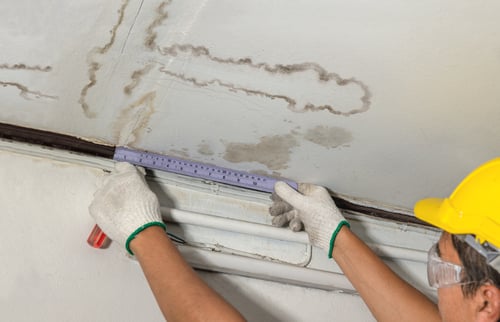Vacant properties require ongoing oversight because conditions can change without warning. Damage from weather events, equipment failures, vandalism, and unauthorized access may go unnoticed when no one is regularly occupying the space. Consistent inspections help ensure issues are identified and addressed before they result in significant damage or liability concerns.
Regular inspections help:
- Detect early signs of entry or tampering
- Identify system failures before damage occurs
- Demonstrate reasonable care if a loss is questioned
“A documented inspection program demonstrates that vacancy risks are being actively managed,” Brown explained. “Maintaining records of inspections, findings, and corrective actions can help support your organization’s position if a loss or liability issue is questioned later.”
## Bottom line
While vacancies are part of a housing organization cycle, losses do not have to be.
Housing organizations that apply consistent vacancy controls can better protect public assets, preserve redevelopment timelines after a loss, control costs, and maintain safer communities until properties return to service.
Effective vacancy management requires a combination of physical security, operational controls, and ongoing oversight throughout the vacancy period.
##### DAWGS supports housing organizations nationwide by helping implement these best practices during vacancy periods. If your agency is evaluating its vacancy risk management, please [visit their website](https://www.dawgsinc.com/) or [request to speak with a DAWGS consultant](https://www.dawgsinc.com/contact-us/).
##### HAI Group policyholders: Be sure to [contact your designated risk control consultant](https://www.haigroup.com/about-us/account-services-and-risk-control/) if you have any questions on vacant units or other risk management strategies.
[](https://blog.haigroup.com/hs/cta/wi/redirect?encryptedPayload=AVxigLKVVAsmQVj40RL1Gn31HXU%2FlWGt%2FWhZxKJHlEZVa2mhNjTV2nLWM9xiK25p9KO4D4Fn0i723NxMpNW5ghZ77CjL3VMmlrtT3CSjHhg3QpgW7uE%2FfuO0UzJ1HI98AAUbi%2BlFr4uHkIANiR5X9U1prW8FDbLQhAeO98EsIFiWL5KLh8bowgVR7DWSVY%2Bt%2B56ngS1p9xQbKEOrpS7P&webInteractiveContentId=185612556070&portalId=20790879)
The information presented is for general reference only. HAI Group makes no representation or warranty about the accuracy or applicability of this information for any particular use or circumstance. Your use of this information is at your own discretion and risk. HAI Group and any author or contributor identified herein assume no responsibility for your use of this information. You should consult with your legal, professional or subject matter advisor before implementing any new strategy or policy.
HAI Group® is the registered trademark of Housing Authority Risk Retention Group, Inc. and its related companies. For a complete list of HAI Group companies, visit www.haigroup.com. Products or services may not be available in all jurisdictions. Certain property and casualty coverage may be provided by a risk retention group or a surplus lines insurer or by a third party. Risk retention groups and surplus lines insurers do not participate in state guaranty funds and their insureds are not protected by such funds.
Don't Miss This
## Related Content
[](https://blog.haigroup.com/avoid-this-mistake-to-stop-paying-unnecessary-insurance-costs-for-vacant-properties)
- June 4, 2026
### [How to Avoid Paying Unforeseen Insurance Costs for Vacant Properties](https://blog.haigroup.com/avoid-this-mistake-to-stop-paying-unnecessary-insurance-costs-for-vacant-properties)
November 15, 2024
If you've ever chalked up money for a streaming service or gym membership you didn't end up using regularly, then you...
[Read more](https://blog.haigroup.com/avoid-this-mistake-to-stop-paying-unnecessary-insurance-costs-for-vacant-properties)
[](https://blog.haigroup.com/questions-to-consider-before-accepting-donated-property)
- June 4, 2026
### [Questions to Consider Before Accepting Donated Property](https://blog.haigroup.com/questions-to-consider-before-accepting-donated-property)
December 19, 2024
Local municipalities and private owners may offer to donate property to your affordable housing organization. While...
[Read more](https://blog.haigroup.com/questions-to-consider-before-accepting-donated-property)
[](https://blog.haigroup.com/how-to-stop-water-damage-before-it-starts)
- June 4, 2026
### [How to Stop Water Damage Before It Starts: A Guide for Housing Professionals](https://blog.haigroup.com/how-to-stop-water-damage-before-it-starts)
May 20, 2025
Water damage might not be as dramatic as a fire, but for affordable housing organizations, it's nearly as costly—and...
[Read more](https://blog.haigroup.com/how-to-stop-water-damage-before-it-starts)

- [Online Privacy Policy](https://www.haigroup.com/privacy-policy/)
- [California Privacy Rights](https://www.haigroup.com/wp-content/uploads/2024/11/HAI-Group-CA-Privacy-Rights-Notice-1.pdf)
- [Terms of Use](https://www.haigroup.com/terms-of-use/)
```json
{
"@context" : "https://schema.org",
"@type" : "BlogPosting",
"author" : {
"@type" : "Person",
"name" : "Bryan Padilla | Marketing and Communications Specialist | HAI Group",
"url" : "https://blog.haigroup.com/author/bryan-padilla"
},
"dateModified" : "2026-06-04T16:00:00.320Z",
"datePublished" : "2026-06-04T16:00:00.000Z",
"headline" : "From Vacancy to Vulnerability: Protecting Housing Properties During Transition",
"image" : [ "https://blog.haigroup.com/hubfs/Vacant_Building_Featured-Image_.jpg" ],
"mainEntityOfPage" : {
"@id" : "https://blog.haigroup.com/from-vacancy-to-vulnerability-protecting-housing-properties-during-transition",
"@type" : "WebPage"
},
"publisher" : {
"@type" : "Organization",
"logo" : {
"@type" : "ImageObject",
"url" : "https://blog.haigroup.com/hubfs/HAIGroup%20PMS2186C%20400X100-300dpi-1.png"
},
"name" : "HARRG"
}
}
```