
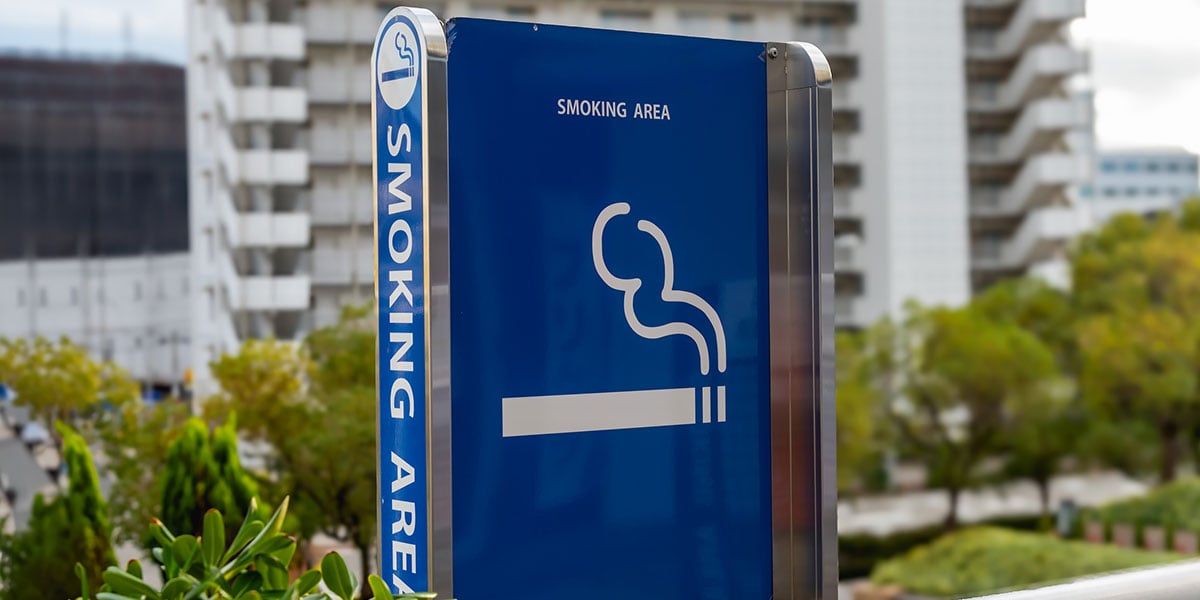

Even though there are smoke-free housing policies, unauthorized smoking within and around residential units still poses a continuous problem for a great many housing organizations. Careless smoking remains one of the main causes of preventable fires, resulting in more than $33 million in damage to multifamily housing in 2025 alone, according to HAI Group claims loss data.
Our Housing Risk Guide on designated smoking areas offers practical advice to assist housing organizations in supporting compliance with smoke-free policies while at the same time reducing the risks associated with fires.

What you'll learn
The Designated Smoking Areas Housing Risk Guide outlines:
- The purpose and benefits of designated smoking areas for residents and housing agencies.
- HUD smoke-free housing requirements and how designated smoking areas support compliance.
- Best practices for selecting safe locations away from buildings, air intakes, and combustible materials.
- Guidance on signage, ash receptacles, inspections, resident education, and staff training.
- Opportunities to fund fire prevention initiatives through HAI Group's Loss Prevention Fund (LPF).
Why this matters
Smoke-free housing policies are designed to protect residents, staff, and visitors against the hazards of secondhand smoke and smoke-related fires. However, these policies alone do not always stop unsafe smoking practices. If residents have no designated area to smoke, they might smoke in areas where smoking is not allowed, increasing the risk of fire and property damage.
Designated smoking areas offer a practical answer by establishing a clearly signposted place where people can smoke, separate from residential buildings and the shared areas.
If they are put into effect properly, such areas can help:
-
Reduce smoking-related fire hazards.
-
Encourage compliance with smoke-free housing policies.
-
Minimize exposure to secondhand smoke.
-
Promote cleaner grounds and proper cigarette disposal.
-
Support safer communities for residents, staff, and visitors.
Housing organizations can take a proactive approach to risk reduction by combining policy enforcement with careful environmental design.
Funding designated smoking areas through HAI Group's Loss Prevention Fund
Implementing a designated smoking area might involve having to make investments in signage, shelters, seating, lighting, or non-combustible cigarette disposal containers. To help support these kinds of fire prevention projects, eligible HAI Group members can explore funding opportunities through the Loss Prevention Fund (LPF).
The LPF helps member organizations implement initiatives that reduce risk and improve resident safety. Past recipients have used LPF funding to support innovative fire prevention strategies, including technology and safety programs designed to reduce fire risk and improve emergency response. Housing agencies may also be able to use LPF funding to help offset the costs associated with creating designated smoking areas for residents.
For organizations looking to strengthen their fire prevention efforts, the LPF can be a valuable resource for turning safety improvements into reality.

Bottom line
A designated smoking area can serve as a practical risk management measure, and housing organizations can make real progress in preventing avoidable fires and safeguarding the communities they serve by establishing designated smoking areas and using available resources, such as the Loss Prevention Fund.
Download the Designated Smoking Areas resource now to put these best practices into action.
Access more resources
Explore additional risk management tools, checklists, and guidance in HAI Group's Resource Center, created to help housing organizations stay informed, prepared, and resilient.

Stay connected
Sign up for updates from our blog to stay ahead of emerging trends in insurance, risk management, online training, and affordable housing research, and gain access to the latest resources and tools.