
At the Southern Nevada Regional Housing Authority (SNRHA), safety and professional development are not treated as one-time initiatives. Instead, they are part of an ongoing strategy to strengthen operations, protect residents, and support staff across the organization.
Serving a region with more than 13,000 housing vouchers and a growing portfolio of properties, SNRHA has developed a risk management approach that combines proactive inspections, staff training, and strong partnerships with industry experts.
For nearly 26 years, Carla Lea-Edwards has been part of that effort. As the agency’s safety and risk management leader, she has helped build processes that prioritize prevention, accountability, and continuous learning.
Today, those systems continue to shape how SNRHA approaches safety across its properties while supporting the professional development of employees throughout the organization.
Strengthening risk management through partnership
A key component of SNRHA’s approach is maintaining close collaboration with risk consultants who help identify potential hazards and strengthen property safety.
When consultants conduct property inspections, Lea-Edwards often walks the site alongside them, reviewing conditions and discussing observations in real time.
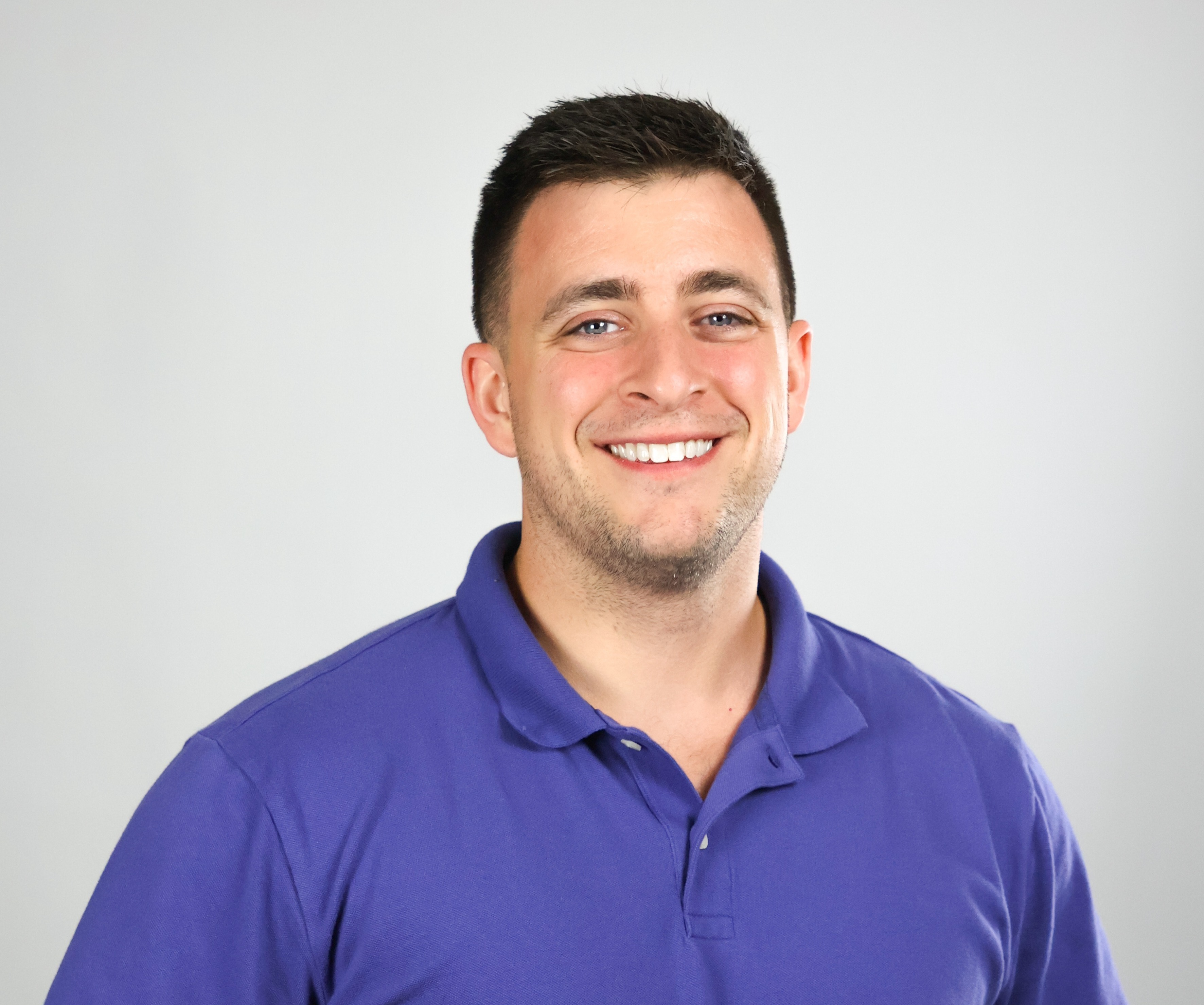
“I love when our risk consultant [Nick Witkowski, lead risk control consultant] comes out and we inspect the property,” she said. “That way I can put eyes on things myself.”
These visits serve as both verification and learning opportunities. By joining inspections, Lea-Edwards can confirm that internal safety checks are being completed thoroughly while also sharpening her own ability to identify risks.
“This is my time to really see whether our internal inspections are being done properly,” she said. “Are we just checking boxes, or is the work really being done?”
Having a second set of eyes also helps identify issues that may otherwise go unnoticed.
“I’ll point things out sometimes and say, ‘Look at that over there. What do you think about that?’” she said. “And sometimes he’ll say, ‘Good eye.’”
For SNRHA, this collaborative approach helps reinforce a culture where safety is actively monitored rather than addressed only when problems arise.
Turning inspection insights into action
At SNRHA, inspection reports are treated as a starting point for continuous improvement. After each visit, the agency receives recommendations from their risk consultant outlining potential safety improvements. Lea-Edwards works with property managers and maintenance teams to review each item and determine next steps.
“If the report says we have 90 days to respond, I want it back to me within 60 days,” she said.
Teams are asked to document completed work with photos and provide explanations when recommendations require longer-term planning.
“Is it funding? Is it something that can’t fit in the budget this year? Can we do part of it this year and part next year?” she said. “You have to outline why it can’t get done.”
This process ensures that recommendations remain visible and prioritized across the organization.
Lea-Edwards also encourages property managers to remain proactive between formal inspections.
“Our risk consultant shouldn’t have to come out every six months to see something that SNRHA employees should be seeing every day,” she said.
By reinforcing this mindset, SNRHA continues building a culture where safety is integrated into everyday operations.
Reinforcing safety through risk training
In addition to property inspections, SNRHA regularly hosts risk management training sessions designed to address real safety challenges staff encounter in their daily work.
Over the years, these sessions have covered a range of topics, including auto safety, maintenance safety, and risk management fundamentals. More recently, the agency has expanded training opportunities to include office staff.
“We’ve offered maintenance safety, auto safety, risk management fundamentals, and fire safety training for residents,” Lea-Edwards said.
These sessions, delivered by the HAI Group Risk Control and Consulting team, are tailored to the agency's specific issues. For example, after noticing a pattern of vehicle incidents involving maintenance staff, Lea-Edwards organized additional auto safety training to reinforce safe driving practices.
The sessions not only improve awareness but also create opportunities for employees to ask questions and engage directly with safety experts. Lea-Edwards says staff often respond positively to the interactive nature of the training.
“They’re engaging, and people pay attention,” she said. “I’ve had employees come up afterward and say, ‘I didn’t know that,’ or ask how they can get more information.”
Some employees have even discovered that completing certain training courses can provide benefits outside of work.
“I didn’t realize that some of them get insurance discounts when they bring in those certificates,” she said. “So they started asking when we were going to do the training again.”
For SNRHA, the goal is to ensure that safety education reaches every part of the organization, from maintenance teams working in the field to administrative staff working in the office. By balancing hands-on training with online learning opportunities, the agency continues building a workforce that understands and prioritizes safety.
Investing in professional development
Training is another cornerstone of SNRHA’s risk management strategy.
When Lea-Edwards stepped into her risk management role in 2016, she immediately sought ways to deepen her understanding of safety practices in multifamily housing.
“One of the things that I did is reach out to HAI and say, ‘Hey, I’m new to this, and I need your help to guide me through it,’” she said. “You guys created a risk management course which I took, and that kind of started me on my way.”
Training through HAI Group’s platform, now known as the Housing Training Institute (HTI), helped provide a foundation for building a stronger safety program within the organization.
Over time, Lea-Edwards expanded that approach across the agency. Today, staff members are encouraged to take advantage of online courses to build their own knowledge and professional skills.
“What I’ve given employees by utilizing the online training is an opportunity to grow themselves,” she said. “When someone wants to learn more about something, they can go in, take the course, and build that knowledge.”
For SNRHA, the goal is not simply compliance training. It is creating a workforce that understands safety principles and applies them in daily operations.
Looking ahead: continuing the commitment to safety and training
As SNRHA continues to expand its housing portfolio and invest in redevelopment projects across Southern Nevada, the organization’s focus on safety and training remains central to its long-term strategy.
Lea-Edwards believes the systems now in place, including staff training, proactive inspections, and strong industry partnerships, will continue supporting the agency’s mission.
Throughout her career, she says the collaboration with HAI Group has played an important role in strengthening those efforts.
“What I would say to anyone considering HAI is that it’s one of the best decisions they can make,” she said. “You’re going to get quality customer service and people who actually care about your organization.”
She points to the accessibility of training, the ability to work directly with risk consultants, and the responsiveness of HAI Group staff as key benefits of the relationship.
“The trainings, the opportunities, and the fact that my risk consultant will come out and inspect property with me—that really matters,” she said. “If I have a question, I know I can call, and someone will get back to me.”
For Lea-Edwards, that level of responsiveness creates peace of mind.
“It’s a no-worry relationship,” she said. “We worry about so many other things, but I don’t have to worry about what happens when it comes to HAI.”
As the organization looks toward the future, SNRHA’s commitment to risk management and professional development will continue helping ensure safe, high-quality housing for the communities it serves.
HAI Group policyholders: Be sure to contact your account executive or risk control consultant to learn more about the services HAI Group provides.