Strong asset management plays an important role in preserving affordable housing, maintaining property performance, and making the most of limited resources. But for professionals balancing demanding workloads, finding time to build new skills and apply them effectively can be challenging.
To explore how professional development can support this work, the HAI Group Housing Training Institute (HTI), in partnership with the Consortium for Housing and Asset Management (CHAM), hosted AMS+ in Action: Learner Experiences and Insights, a virtual panel discussion featuring graduates of the CHAM Asset Management Specialist Certification Plus (AMS+) program.
The discussion offered a firsthand look at how AMS+ combines self-paced coursework, live facilitator-led sessions, and peer collaboration to help affordable housing professionals strengthen their knowledge and apply new skills within their organizations.
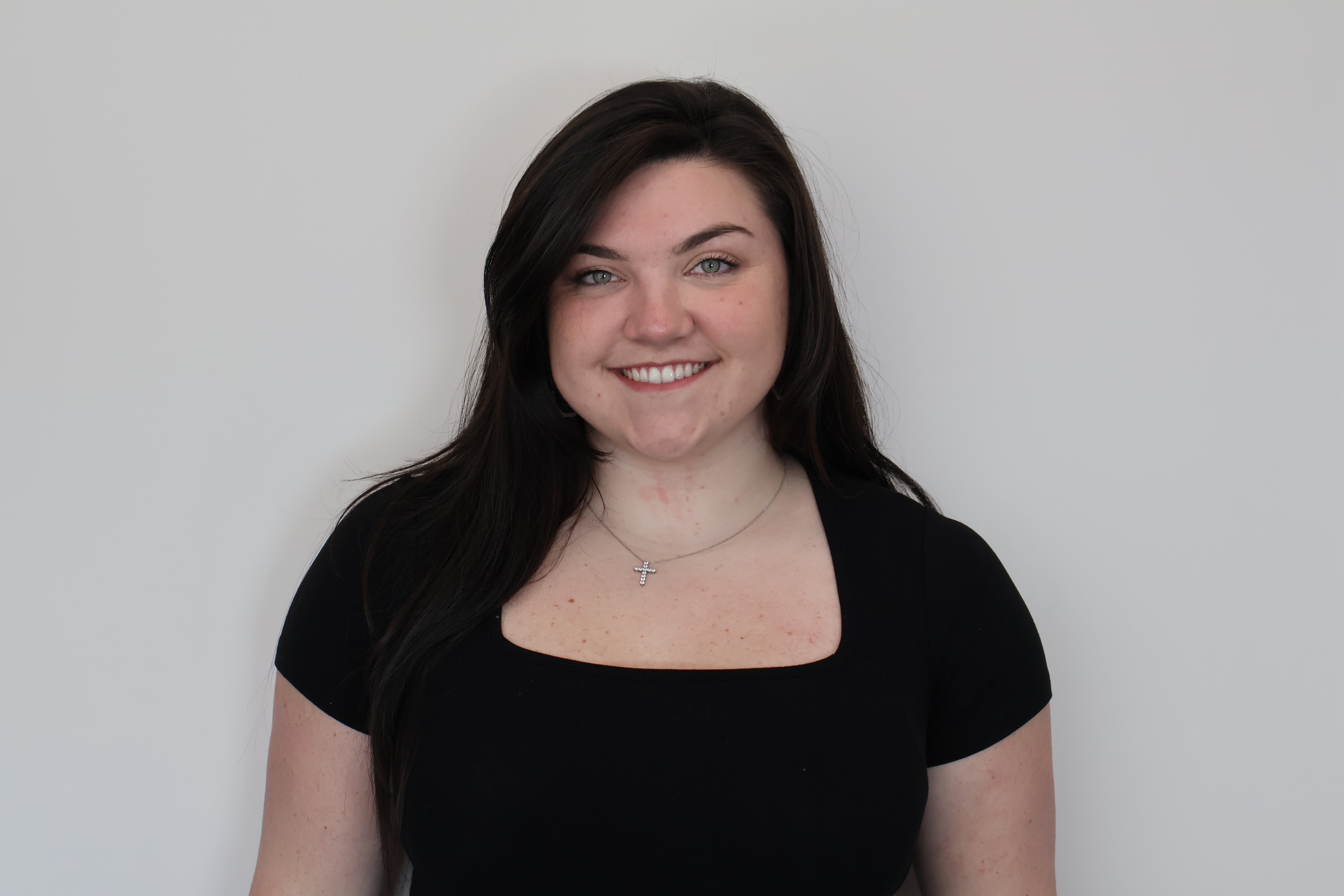
The panel featured:
- Stan Fitterman, president of SFF Consulting Group Inc. and AMS+ facilitator
- Amanda Novak, executive director of Twin Cities Housing Development Corporation
- Amanda Sousa, asset manager at the San Diego Housing Commission (SDHC)
- Emily Silagon, housing director of the San Francisco Community Land Trust
Watch the full recorded session to hear the panelists discuss their experiences, the challenges they encountered, and how AMS+ has influenced their professional development and day-to-day work.
Why asset management education matters
Affordable housing organizations face rising expenses, limited resources, and increasing pressure to preserve existing properties. Effective asset management helps organizations understand property performance and make informed decisions about long-term sustainability.
"We have very thin margins, expenses are rising, and we have to do our best to make these properties work," Sousa said.
Novak also reinforced the importance of responsible stewardship.
"There is a growing need for more affordable housing, and yet the resources that are available are harder and harder to come by. We really have to be good stewards of those resources," Novak explained.
These challenges make asset management knowledge valuable across departments, from property management and finance to development and organizational leadership.
Putting new knowledge into practice
One of the biggest takeaways from the discussion was how quickly graduates began applying what they learned. AMS+ coursework covers financial analysis, property performance, audits, and long-term planning, giving participants tools they can use in their everyday responsibilities.
At the San Francisco Community Land Trust, Silagon applied lessons from the program to improve financial analysis and audit preparation.
"It's completely changed the way that we go through the auditing season and how we prepare for it," Silagon said.
Other graduates highlighted the value of financial dashboards, key performance indicators (KPIs), and property evaluation tools for identifying concerns and making informed decisions.
Novak, who participated alongside a junior member of her organization's asset management team, also saw the immediate benefits of the coursework.
"It's not just knowledge for the sake of having knowledge—it's information that you're going to use every day," Novak said.
The value of learning alongside peers
Unlike the traditional self-paced AMS pathway, AMS+ adds six live virtual sessions, facilitator guidance, and opportunities for peer collaboration. Through group discussions and breakout sessions, participants shared experiences, explored challenges, and learned how other affordable housing organizations approach asset management.
"We're engaging in conversations, talking about the homework, and sharing our experiences from different perspectives and roles," Sousa said. "It allowed us to brainstorm for a better understanding of the coursework and the industry."
Fitterman emphasized that these conversations help participants connect coursework to real-world situations and build relationships with professionals facing similar challenges.
The hybrid format also encouraged participants to consider different perspectives when applying what they learned.
"This hybrid approach is really valuable because it expands the lens through which you're filtering and applying all the information," Silagon said.
Making professional development a priority
Balancing professional development with daily responsibilities isn't always easy. For AMS+ graduates, structured milestones and regularly scheduled sessions provided accountability and helped them maintain progress.
"I needed the accountability and those milestones because otherwise, I think I would have just said, 'I'm way too busy for this,'" Silagon shared.
Participants also described setting aside dedicated time for coursework and recognizing how their new skills could improve efficiency in the long run.
"It really is worth the investment of time because it's going to make you more effective and efficient on the back end," Novak said.
Strengthening collaboration across organizations
Beyond individual skill development, graduates described how AMS+ strengthened communication and collaboration within their organizations. At Twin Cities, the coursework helped team members develop a shared understanding of property performance and asset management priorities
"It's making our internal work as a team more collaborative, but also more efficient and effective," Novak explained.
Similarly, multiple asset managers at SDHC completed AMS+ together, creating opportunities to exchange ideas about development, acquisitions, and property performance. These experiences show how investing in professional development can benefit entire teams, not just individual participants.
Who can benefit from AMS+?
The panelists agreed that asset management education can benefit professionals across the affordable housing sector, including those working in property management, finance, development, and leadership. Novak emphasized the value of understanding both individual properties and entire portfolios, while Sousa highlighted how asset management knowledge supports professionals at different organizational levels.
With self-paced coursework, live discussions, and practical application, AMS+ offers a structured pathway for professionals looking to strengthen their skills while working toward the CHAM Asset Management Specialist (AMS) certification.
Continue your asset management journey
The experiences shared during the panel discussion demonstrated how practical education, peer collaboration, and structured learning can help affordable housing professionals bring new ideas and skills back to their organizations.
Stay in the loop! Join our AMS+ waitlist to stay informed about upcoming learning communities and future registration opportunities.