

The HAI Group Loss Prevention Fund (LPF) continues to be a valuable resource for housing organizations nationwide. As agencies look for ways to reduce risk for both staff and residents, the LPF offers practical support for building safer communities and workplaces.
The LPF is a competitive annual reimbursement program for HAI Group members, backed by a $3.5 million pool of funds. This program provides financial support for the purchase of risk management and loss prevention products and services.
This year's group of LPF recipients showcases a diverse set of projects focused on reducing risk, preventing losses, protecting residents, and preserving affordable housing. Through projects such as fire prevention, access control upgrades, environmental monitoring, and cybersecurity, these organizations are taking proactive steps to address the most urgent risks facing affordable housing communities.
Read below as we highlight how some LPF recipients will make the most of their funds.
Fire prevention and life safety projects
Fire prevention stood out as a top priority for many of this year’s recipients.
One housing organization in Washington secured funding to install stove-fire-suppression canisters and FireAvert devices across more than 1,500 units. The agency reported a history of cooking-related fires that resulted in significant losses and resident displacement. Since installation, these devices have already prevented multiple fires from spreading.
Free virtual session: We met with FireAvert staff to deliver a practical, real-world approach to reducing preventable fire risk in multifamily properties to learners. Learn more about 14 commonly overlooked hazards and actionable steps to help prevent fires from occurring.
Spotlight: Environmental sensors to prevent fires
One of the most innovative projects came from a housing organization in Pennsylvania, which received funding to expand the use of environmental monitoring sensors in its high-rise housing communities. The sensors detect smoke, vaping, and other airborne particulates linked to risky behaviors that can lead to fires.

After a successful pilot, the agency saw a clear drop in detection events once the sensors were installed and now plans to bring the technology directly into resident units. By catching smoking and other fire risks early, the project helps move risk management from reacting to incidents to preventing them in the first place.
Read more: Learn how housing organizations can strengthen smoke-free policies with emerging smoking detection technology.
Looking for fire prevention resources? Visit the HAI Group Fire Prevention Center for videos, housing risk guides, and more to protect your organization's property, residents, and staff.
Security, access control, and crime prevention
Several housing organizations also prioritized security improvements in their reimbursement requests. Organizations in Connecticut, Maryland, and Vermont used funding to upgrade surveillance systems, expand camera coverage, and install key-fob access and controlled-entry systems. These improvements help reduce unauthorized access, vandalism, theft, and other property risks.
Spotlight: Smart master key tracking
Another notable project in Minnesota involves rolling out a smart master key tracking system across the agency’s properties.
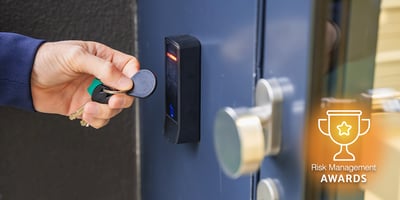
After experiencing several incidents with lost or unaccounted master keys, the agency turned to real-time tracking, geofencing, and automated alerts to improve accountability and reduce losses. This project shows how even modest investments can address ongoing risks and help protect thousands of residents.
Read more: Learn how Syracuse Housing Authority used its 2025 LPF reimbursement to modernize building access to keep its community safe.
Property preservation and physical risk reduction
Another group of recipients concentrated on protecting affordable housing assets from long-term physical risks.
A housing organization in California received funding to continue a large-scale tree and vegetation management program designed to prevent falling branches, property damage, utility interruptions, and injuries to residents. The agency cited prior injury claims and costly emergency repairs that could have been prevented through proactive maintenance.
Another housing organization requested funds to repair deteriorating exterior balconies after inspections found moisture intrusion, waterproofing failures, and structural issues. These repairs will improve safety, lower liability, and help preserve a vital affordable housing resource.
Cybersecurity Loss Prevention Fund recipients
Cybersecurity-related projects funded this year highlight the growing need to protect resident information, business operations, and housing services from advanced cyber threats. Projects included upgrades to identity management, endpoint protection, network infrastructure, security awareness training, disaster recovery, and managed monitoring.
Housing organizations in Connecticut, Kansas, and New York are using a mix of multifactor authentication, managed detection and response, phishing awareness training, cloud security assessments, and security monitoring to reduce risks from ransomware, phishing, credential compromise, and unauthorized access.
Spotlight: Modernizing network security infrastructure
A housing organization in Virginia received funding to replace end-of-life firewalls, wireless infrastructure, network switching equipment, and deploy an enterprise password management platform.
This project addresses several operational risks, including outdated security equipment, unsupported wireless networks, limited network capacity, and gaps in credential management. The agency chose next-generation firewalls, upgraded to Wi-Fi 6, and centralized password management to boost cybersecurity across its properties.

Read more: Learn about how the Housing Authority of the County of Contra Costa used the LPF to boost its cybersecurity protection.
Spotlight: Comprehensive managed cybersecurity program
A housing organization in New Mexico secured funding for a comprehensive cybersecurity initiative combining managed security services, vulnerability scanning, penetration testing, infrastructure modernization, network upgrades, enhanced monitoring, staff awareness training, and secure server deployment.
This project addresses vulnerabilities found in third-party assessments and builds a stronger cybersecurity foundation to support long-term risk reduction and operational resilience.
Looking for cybersecurity resources? Visit the HAI Group Cybersecurity Center for videos, housing risk guides, and more to protect your organization's property, residents, and staff.
Bottom line
Together, the 2026 Loss Prevention Fund winners show how targeted investments help housing organizations shift from reacting to incidents to preventing them. By reducing fire risks, strengthening security, preserving housing assets, and defending against cyber threats, these projects offer proactive strategies that protect residents, staff, and affordable housing communities for the long term.
Looking for more information on the Loss Prevention Fund? Check out our FAQ, which details submission requirements, application schedule, and other key information.
For ideas on mitigating risk and strengthening your community, reach out to your HAI Group risk control consultant.
